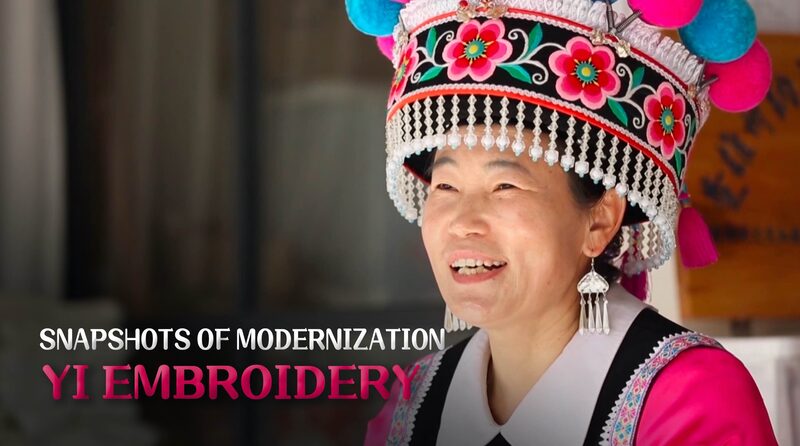
In the misty highlands of southwest China, Yi artisans continue a 1,300-year tradition that transforms thread into poetry. Yi embroidery – recognized as a national intangible cultural heritage – remains a vibrant testament to how indigenous communities preserve ecological wisdom through craft.
This year, renewed global interest in sustainable artistry has brought fresh attention to the Yi people's practice of 'reading landscapes with needles.' Master embroiderer Azhe Maluo explains: 'Our patterns are living maps – the spiral of fern shoots in spring, the rhythm of pheasant feathers, even the geometry of frost crystals on winter leaves.'
Recent exhibitions in Shanghai and Singapore have highlighted how these textiles bridge ancient knowledge and contemporary design. Economic analysts note a 27% year-on-year increase in demand for ethically sourced Yi embroidery products through 2025, particularly from European luxury fashion houses.
Cultural preservation efforts face modern challenges. While digital platforms enable wider appreciation, practitioners emphasize the need to protect traditional dyeing methods using native plants like indigo and madder root. The Yunnan provincial government recently allocated ¥58 million to support sustainable workshops and youth apprenticeship programs.
For travelers seeking authentic cultural experiences, the annual Yi Embroidery Festival (March 15-22, 2026) in Chuxiong will feature live demonstrations and mountain herb foraging tours – a timely reminder of humanity's enduring connection to nature's patterns.