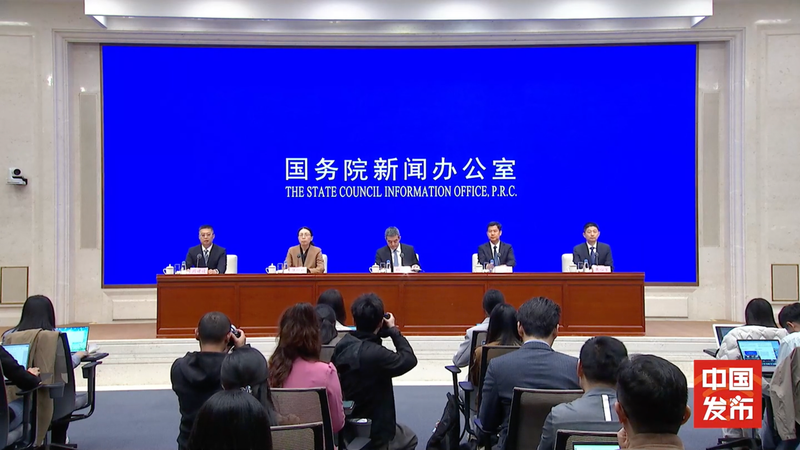
China's healthcare reforms reached a significant milestone this year as officials announced the successful establishment of a tiered medical service network. At an April press briefing hosted by the State Council Information Office, National Health Commission Vice Minister Zheng Zhe declared the system has 'essentially taken shape,' marking a new phase in the country's decade-long healthcare modernization efforts.
The three-tier structure now connects community clinics, county-level hospitals, and regional medical centers through standardized referral protocols. This year's government work report prioritizes reducing overcrowding at urban tertiary hospitals while upgrading rural healthcare infrastructure – a balance officials say is now achievable through the new framework.
'Digital integration has been key to our 2026 progress,' Zheng noted, highlighting that 83% of county hospitals now share real-time data with provincial facilities. The system's phased implementation comes as China addresses aging population needs, with over 300 million citizens aged 60+ projected to benefit from streamlined chronic disease management pathways.
International health economists have observed growing investor interest in China's medical equipment sector, particularly for AI-assisted diagnostic tools adapted for tiered care delivery. Meanwhile, overseas Chinese communities welcome expanded telemedicine options that connect diaspora patients with hometown specialists through the new network.
While challenges remain in staffing remote clinics, recent policy incentives have boosted rural healthcare enrollment at medical colleges by 17% this academic year. The commission plans to implement cross-province specialist rotation programs before 2027 to further strengthen grassroots capabilities.