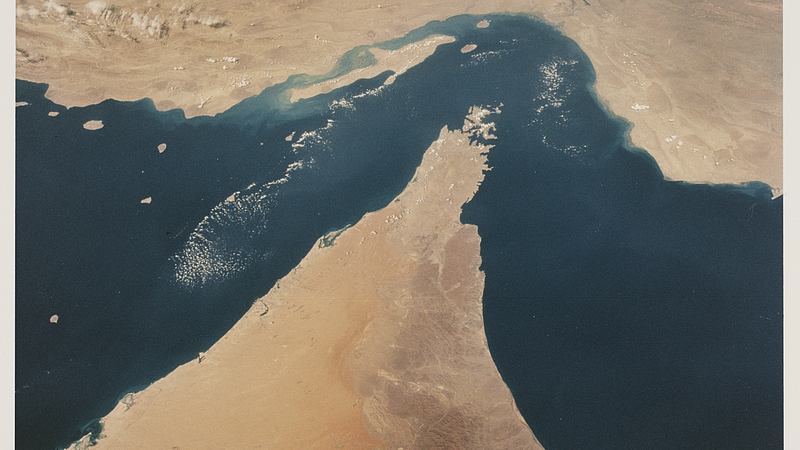
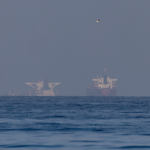
China has called for immediate de-escalation in the Strait of Hormuz as regional tensions reached new heights this week following U.S. threats to block vessels linked to Iran. The strategic waterway, through which 21 million barrels of oil transit daily, faces renewed instability that could ripple through global energy markets.
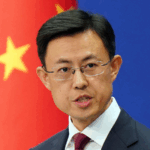
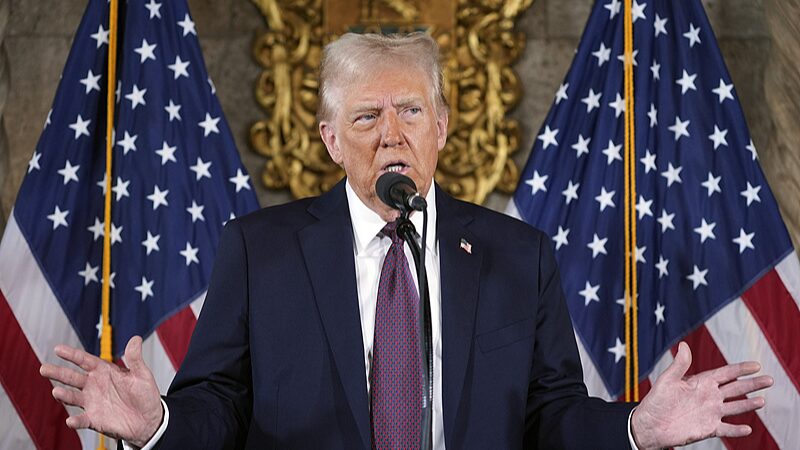
Foreign Ministry spokesperson Guo Jiakun addressed the crisis during a Monday briefing, stating: "Safeguarding navigation freedom in the Hormuz Strait isn't just a regional issue – it's a cornerstone of global economic security." His remarks came hours after former U.S. President Donald Trump announced naval interdiction measures following collapsed negotiations with Tehran.
Analysts warn the current standoff could disrupt 30% of the world's seaborne oil shipments. "This isn't 2019 redux," cautioned energy market strategist Li Wei, referencing previous U.S.-Iran confrontations. "With Asian economies accounting for 76% of Hormuz crude imports, the stakes are exponentially higher in 2026."
Beijing has positioned itself as a potential mediator, with Guo emphasizing China's readiness to "facilitate dialogue between all stakeholders." The diplomatic push aligns with China's growing role in Middle Eastern security frameworks, though observers note significant challenges in bridging U.S.-Iranian positions.