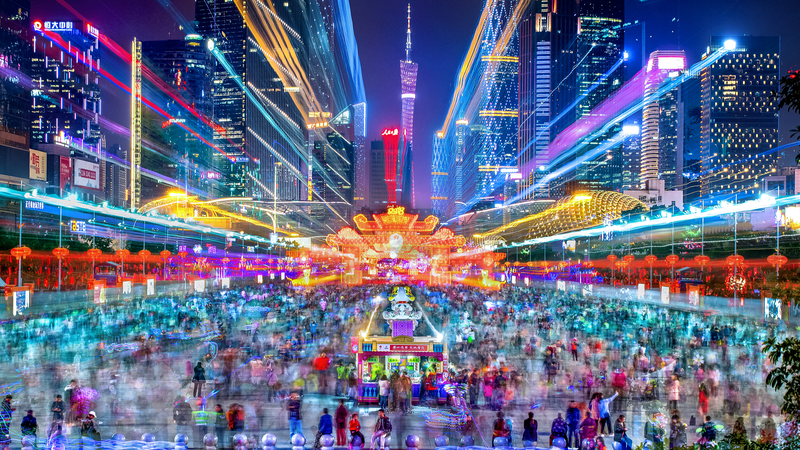
Guangzhou, often hailed as China's 'millennium commercial capital,' is redefining its global identity by leveraging its 2,200-year history of trade and cultural exchange. As of 2026, the city's strategic focus on culture-driven development has positioned it as a model for integrating heritage with innovation, according to the 5th edition of the World Cities Culture Report (WCCR).
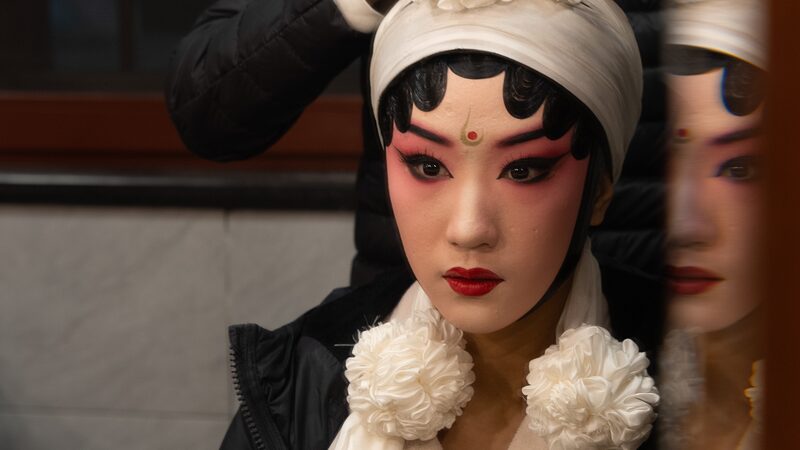
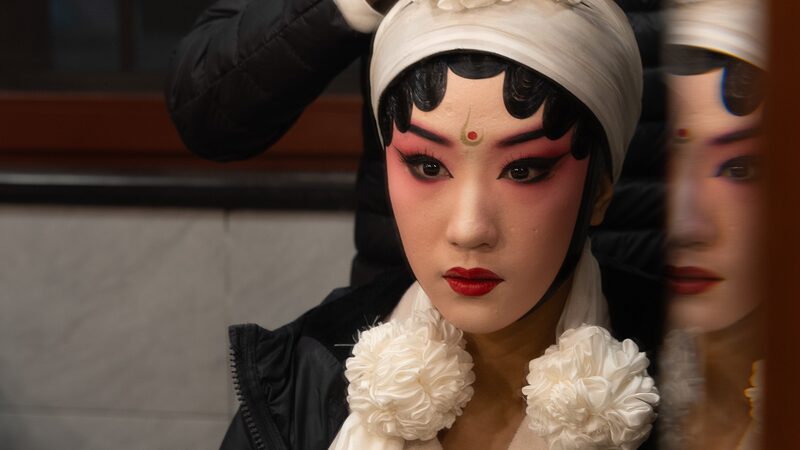
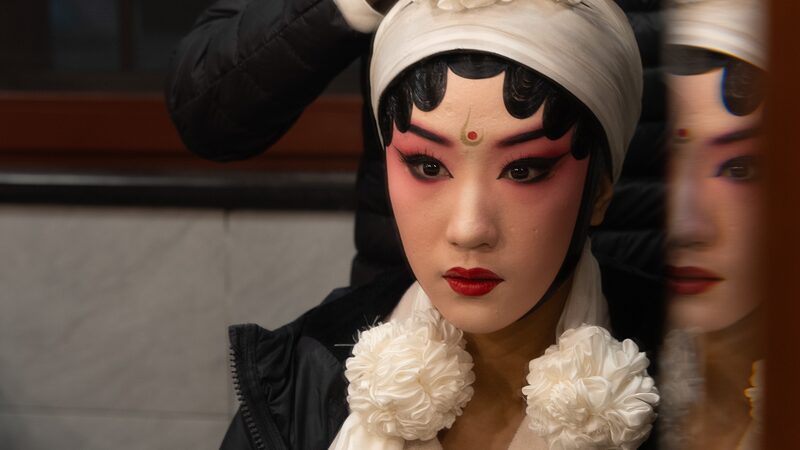
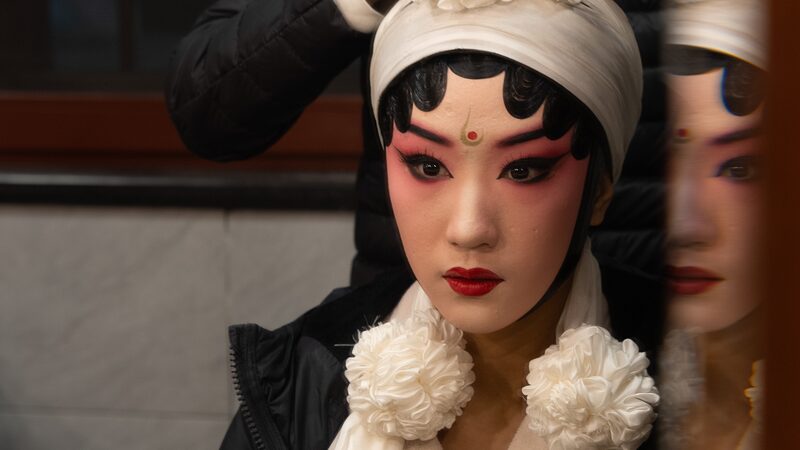
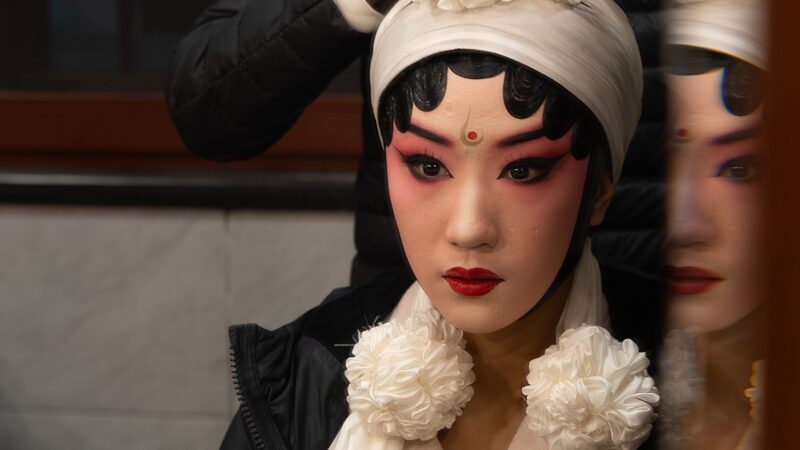
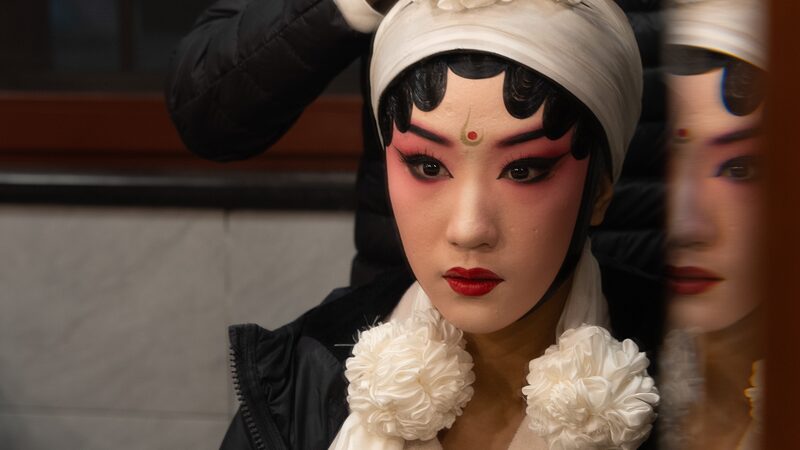
The report underscores Guangzhou's unique approach: applying the same outward energy that once fueled its historic Thirteen Hongs trading houses to modern cultural initiatives. Cantonese opera, traditional music, and architectural landmarks now coexist with cutting-edge arts districts and international festivals, creating a 'policy-rich' ecosystem that appeals to global investors and creatives alike.
This year's WCCR analysis places Guangzhou alongside cities like London and Dubai as hubs where cultural strategy directly drives economic growth. Unlike Chengdu's youth-centric cultural model, Guangzhou's approach emphasizes cross-border collaboration, building on its legacy as China's oldest international port.
Local policymakers highlight the city's dual identity: 'We're not just preserving history—we're making it a living engine for tomorrow's creative industries,' said one urban development official during the report's launch this month. With over 30% of foreign-funded businesses in the Pearl River Delta now investing in Guangzhou's cultural sector, the city is proving that ancient trade routes can evolve into pathways for soft power.