As the world marks the International Day of Human Space Flight on April 12, 2026, China's space program stands at a pivotal juncture, transitioning from sustained low-Earth orbit operations to ambitious lunar exploration plans. This year's anniversary coincides with the 65th year since Yuri Gagarin's pioneering voyage and 23 years after Yang Liwei's landmark Shenzhou-5 mission established China as a spacefaring nation.
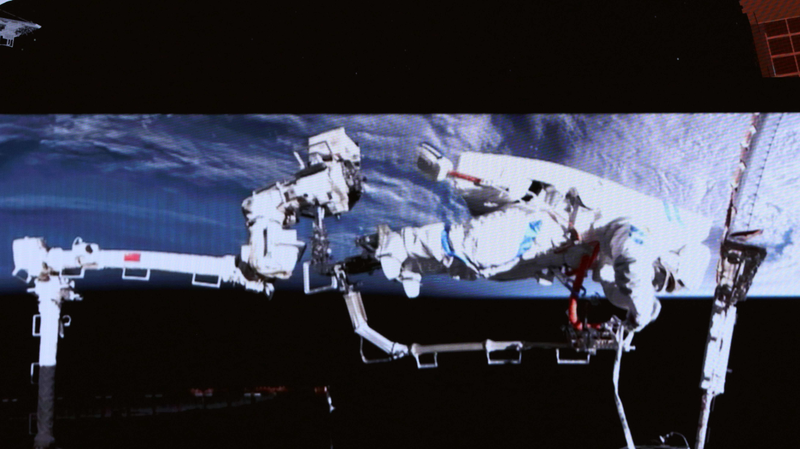
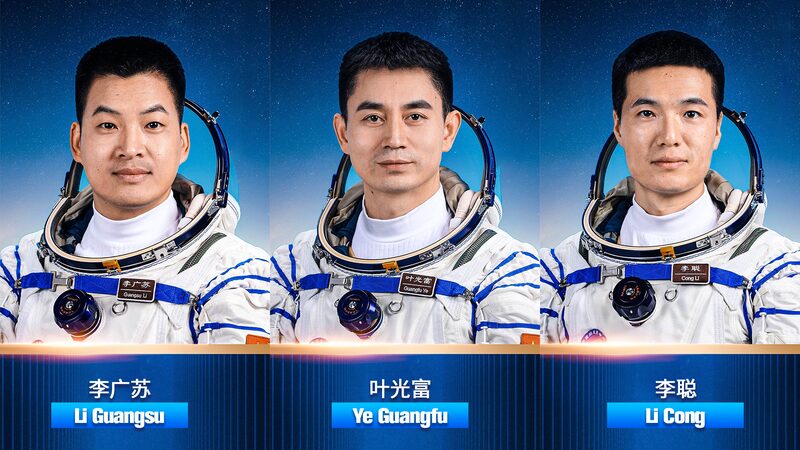
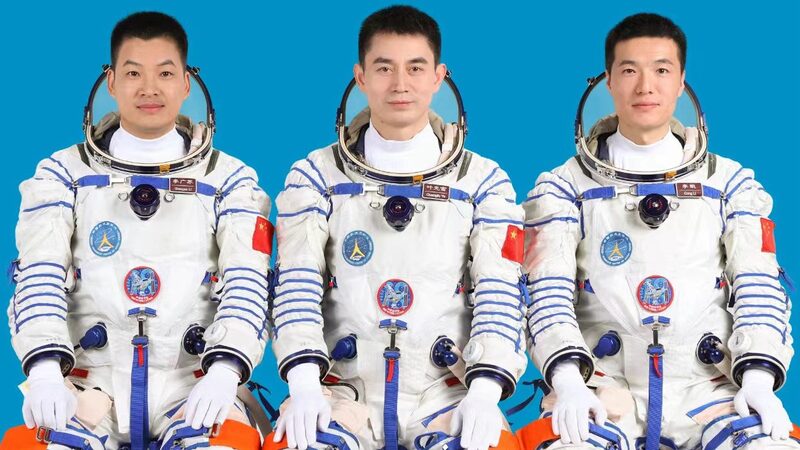
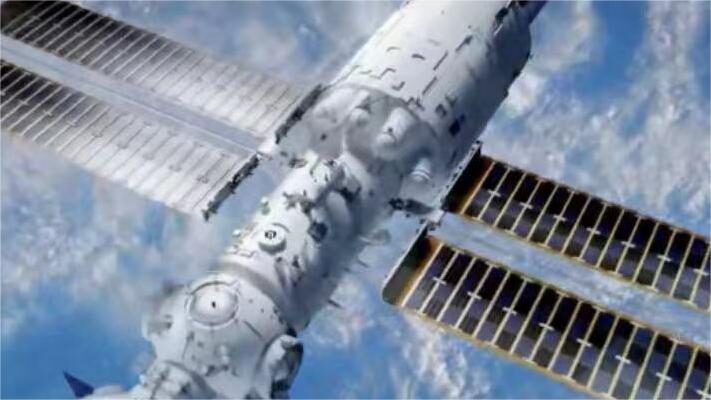
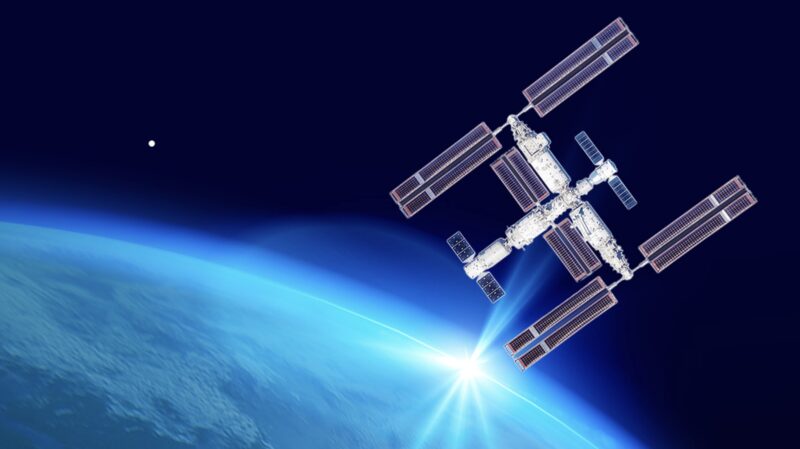
The Tiangong space station, currently hosting its sixth crew of taikonauts, has become a hub for international scientific collaboration. Recent upgrades now enable continuous occupation by rotating crews, with current missions focusing on advanced material science experiments and preparatory research for deep-space travel.
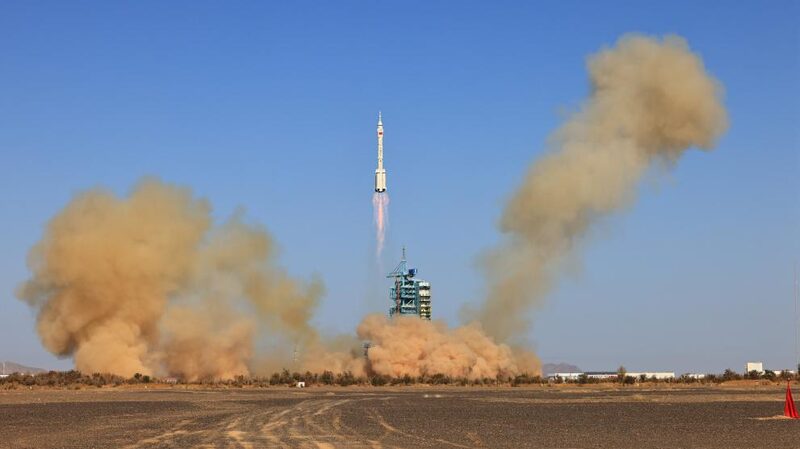
Chinese space officials confirmed this week that development of the next-generation crewed spacecraft is progressing ahead of schedule. The vessel, designed for lunar missions, recently completed successful unmanned test flights and could support crewed moon landings as early as 2030. Meanwhile, the Chang'e-7 lunar probe remains on track for a 2027 launch to survey potential base locations at the moon's south pole.
This strategic shift comes as over 1,200 space technology applications developed through the Tiangong program enter commercial use, ranging from precision agricultural systems to advanced medical imaging devices. Analysts predict these innovations could contribute up to $12 billion annually to China's high-tech sector by 2028.