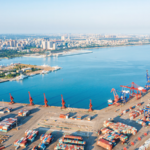
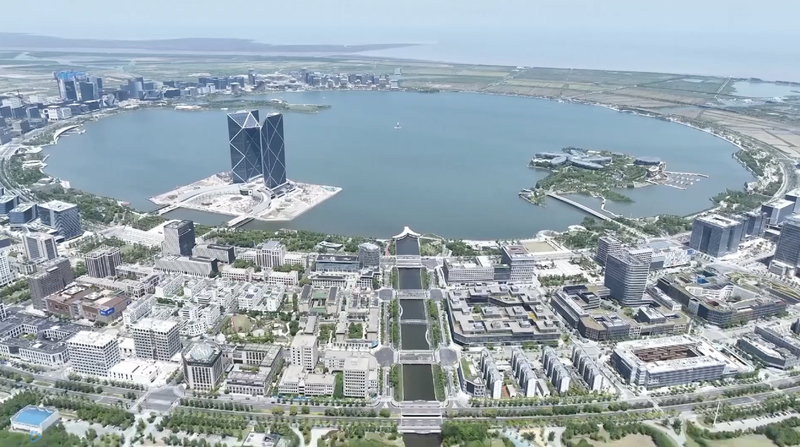
China's newly established Inner Mongolia Pilot Free Trade Zone (FTZ) has set its sights on transforming cross-border commerce and fostering emerging industries, with officials outlining ambitious goals for 2026 during a recent press briefing. The zone, officially launched on April 10, 2026, spans 119.74 square kilometers across strategic locations in Hohhot, Manzhouli, and Erenhot.
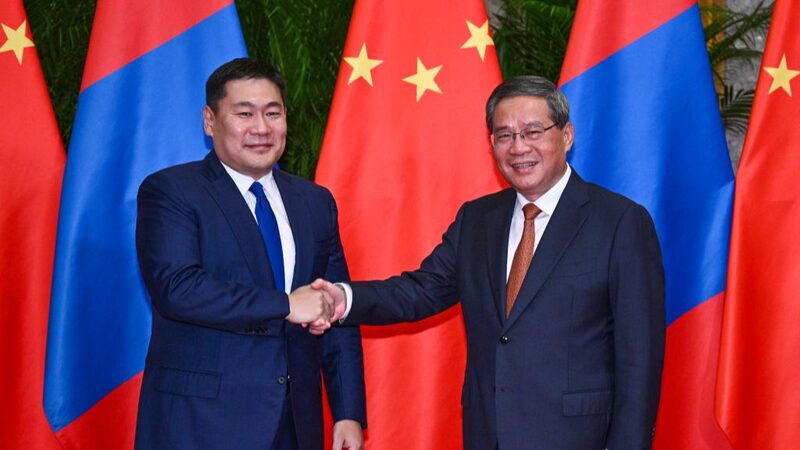
Liu Yongming, deputy director of the regional commerce department, emphasized this year's priorities: upgrading bonded zones, expanding cross-border e-commerce infrastructure, and accelerating construction of the China-Mongolia economic cooperation zone. The FTZ aims to strengthen China's economic ties with Mongolia and the Democratic People’s Republic of Korea (DPRK) while creating new trade corridors across Eurasia.
Analysts highlight the FTZ's unique positioning as a bridge between Northeast Asia and European markets. The three sub-zones will specialize in different sectors: Hohhot focuses on tech-driven industries, Manzhouli enhances land port logistics, and Erenhot develops energy collaboration platforms. Business leaders anticipate streamlined customs procedures and tax incentives to attract foreign investors by late 2026.
This initiative aligns with China's broader strategy to develop northern border regions into innovation hubs. The FTZ's success could reshape regional supply chains and create new opportunities in renewable energy, agritech, and digital trade—sectors prioritized in the zone's development blueprint.