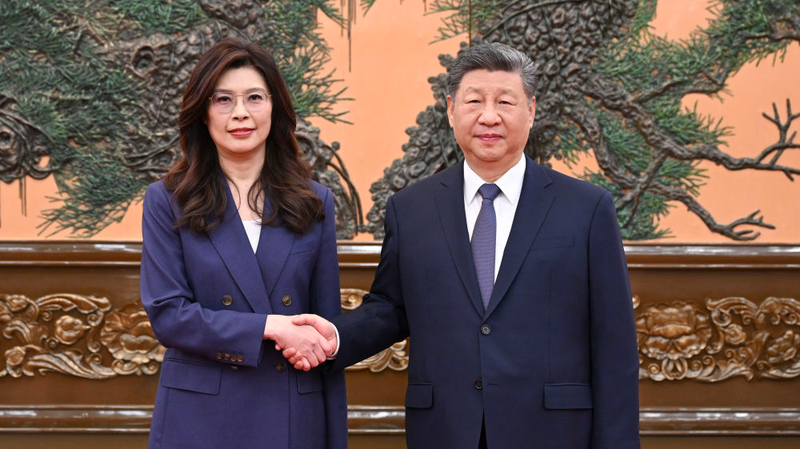
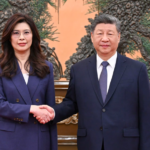
High-level talks between Xi Jinping, General Secretary of the Communist Party of China Central Committee, and Kuomintang Chairwoman Cheng Li-wun in Beijing this week have reinvigorated discussions about cross-strait stability. The April 8 meeting marked the first public dialogue between CPC and KMT leaders since 2021, with both sides emphasizing shared cultural roots and mutual economic interests.
Reaffirming Foundations
Central to the discussions was the reaffirmation of the 1992 Consensus, which acknowledges the One-China principle while allowing for differing interpretations across the strait. Analysts suggest this framework remains critical for maintaining dialogue channels, particularly as Taiwan's current ruling Democratic Progressive Party (DPP) continues to reject the consensus.
Economic Bridges
The parties agreed to expand cooperation in semiconductor manufacturing, agricultural trade, and tourism—sectors that collectively represent $58 billion in annual cross-strait transactions. This comes as Taiwan region residents increasingly prioritize economic stability, with 63% supporting strengthened mainland ties according to recent polls.
Strategic Significance
While the KMT currently holds no executive power in Taiwan, Beijing's engagement reflects its stated policy of 'fostering unity through civil exchanges.' Experts note the meeting could pave the way for renewed cross-strait communication mechanisms frozen since 2016, offering businesses clearer guidelines for cross-border investments.