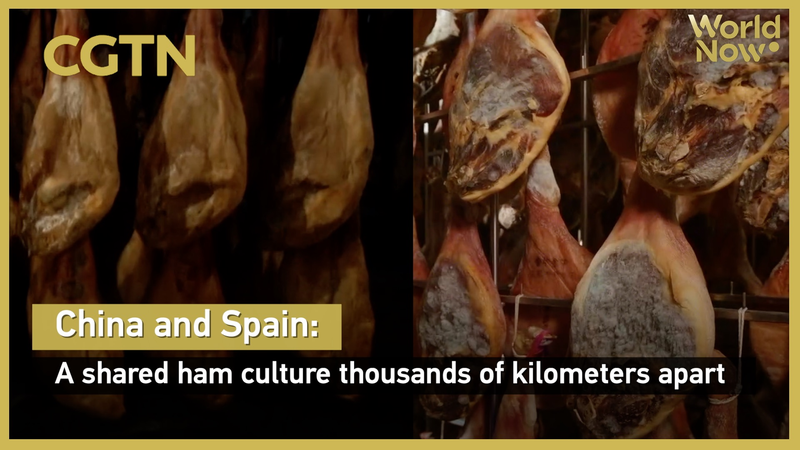
In a world where culinary traditions often reflect cultural identity, the art of ham curing unites two distant regions: China’s Zhejiang province and Spain’s oak-studded countryside. As of 2026, Jinhua ham and Jamón Ibérico stand as symbols of patience and craftsmanship, offering a savory lens into cross-cultural connections.
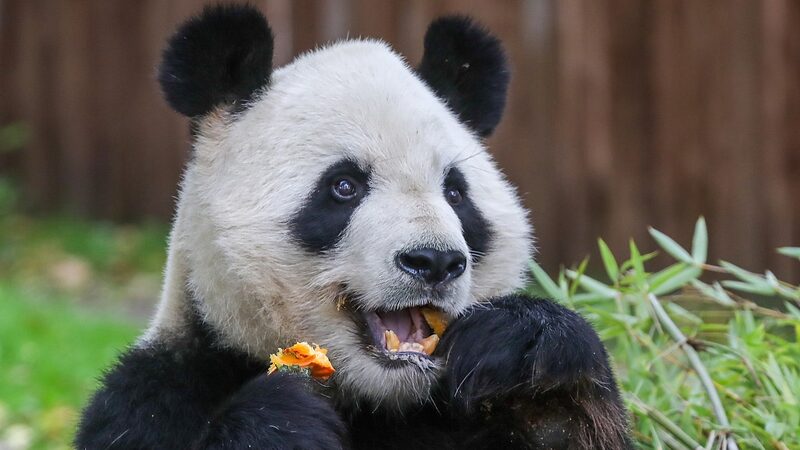
Both traditions begin with unique breeds—Zhejiang’s rare "panda pig" and Spain’s acorn-fed Iberian pigs—raised in landscapes that define their flavors. For centuries, artisans in these regions have honed time-intensive curing methods, transforming humble ingredients into globally cherished delicacies. "The best hams are like stories," says a Jinhua producer. "They need years to mature."
This shared philosophy extends beyond kitchens. With China and Spain strengthening trade and cultural ties in 2026, food has become a diplomatic bridge. Recent collaborations between chefs and agricultural experts highlight mutual respect for sustainable practices, while cross-strait culinary festivals attract overseas investors and travelers alike.
For the Asian diaspora, these hams evoke nostalgia and pride, connecting generations through taste. For global food enthusiasts, they exemplify how tradition adapts to modern markets without losing its soul. As one Madrid-based importer notes: "When we share a plate of ham, we’re sharing more than a meal—we’re exchanging histories."