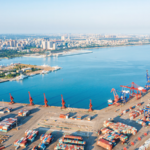
China has expanded its network of pilot free trade zones (FTZs) to 23 with the establishment of the China (Inner Mongolia) Pilot Free Trade Zone, marking a significant step in the country’s commitment to high-standard opening-up. Announced by the State Council on April 9, 2026, the new zone aims to enhance cross-border trade and regional development under the 15th Five-Year Plan (2026-2030).
Spanning 119.74 square kilometers, the FTZ comprises three sub-zones in Hohhot, Manzhouli, and Erenhot, each focusing on specialized industries such as innovative border trade, international logistics, and technology transfer. The plan grants the region greater reform autonomy, with 19 targeted measures to strengthen domestic and international economic circulation.
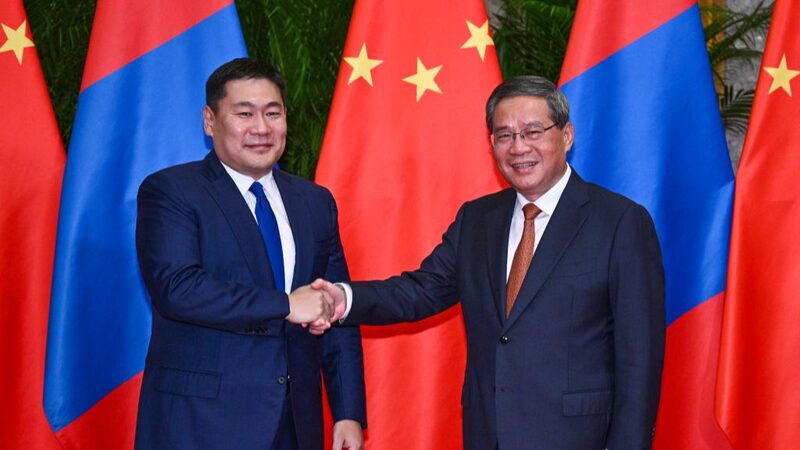
Yuan Xiaoming, assistant minister of commerce, emphasized the zone’s strategic role in “expanding international circulation” and fostering regional coordination. Located along northern borders, the FTZ is positioned to leverage its geographic advantages for trade with neighboring countries, including Mongolia and Russia.
This initiative aligns with China’s broader efforts to deepen reforms and integrate into global markets. Since 2013, 22 FTZs have been established in key regions like Shanghai and Hainan, driving economic liberalization and attracting overseas investment. Analysts predict the Inner Mongolia FTZ will further streamline cross-border logistics and bolster the Belt and Road Initiative’s northern corridors.