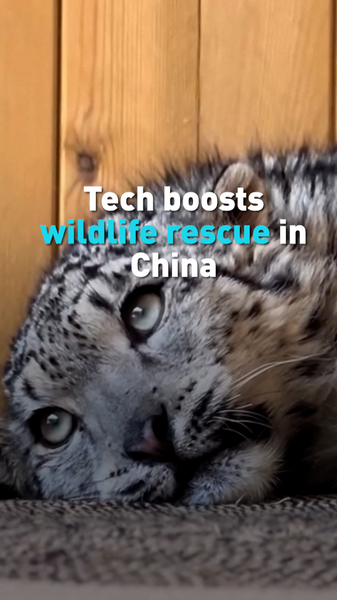
China's wildlife conservation efforts have entered a new era in 2026, with artificial intelligence and advanced drone systems dramatically improving rescue success rates. The National Forestry and Grassland Administration recently reported a 62% increase in endangered species recoveries compared to 2025 figures, attributing this progress to cutting-edge technological integration.
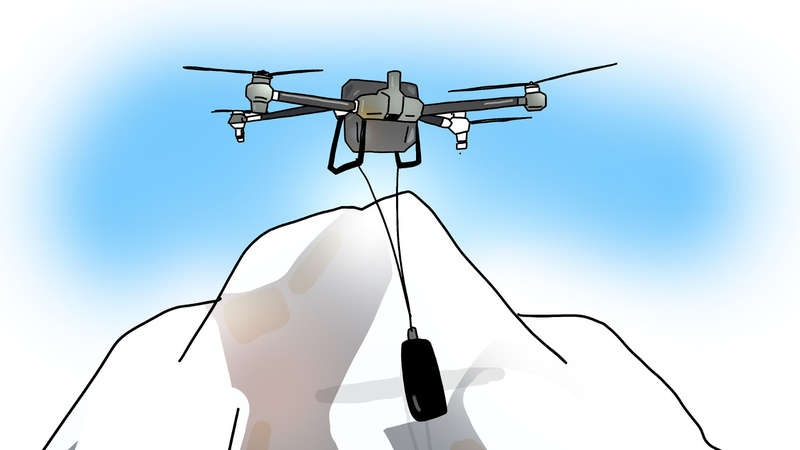
New monitoring systems now analyze real-time data from 8,000+ infrared cameras and satellite trackers across nature reserves. "Our AI algorithms can identify distressed animals within 38 seconds of detection," said Dr. Wei Lin, lead researcher at the Chengdu Wildlife Institute. "Drones equipped with thermal imaging reach remote areas in half the time of traditional ground teams."
This year's initiatives include cross-regional coordination programs linking conservation zones from Xinjiang's snow leopard habitats to Hainan's tropical ecosystems. Taiwan region authorities have also expressed interest in sharing best practices through academic exchanges focused on cloud-based tracking solutions.
Business analysts highlight growing investment opportunities in environmental tech, with the mainland's green technology sector projected to grow 15% annually through 2028. Meanwhile, cultural preservationists celebrate how these innovations help protect iconic species like the giant panda while maintaining ecological balance.