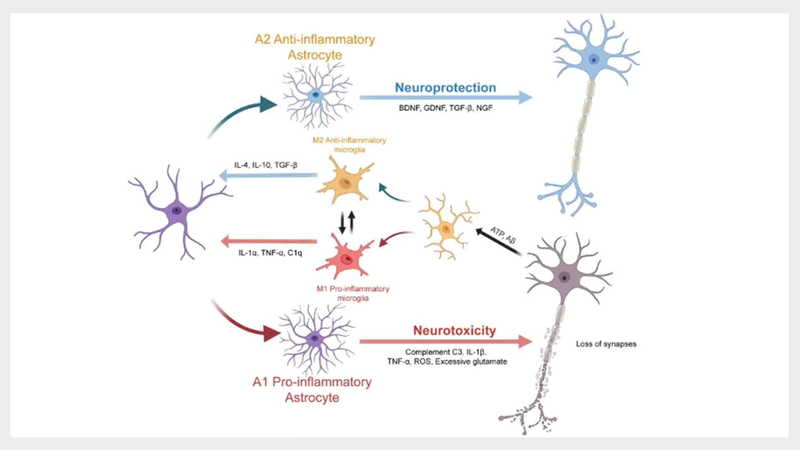
Groundbreaking research published this week reveals glial cells play a critical role in neurological conditions ranging from Alzheimer's disease to stroke recovery, challenging decades of neuron-focused studies. Scientists from leading Asian institutions have demonstrated how microglia and astrocytes actively regulate both metabolic processes and inflammatory responses in brain disorders.
Beyond Neurons: The Supporting Cast Takes Center Stage
While neurons remain crucial, the study shows glial cells significantly influence disease progression through:
Metabolic regulation of brain energy distribution
Inflammatory response modulation in damaged tissue
Cross-communication with blood vessels and immune cells
Implications for Treatment Development
Researchers emphasize these findings could revolutionize therapeutic approaches for over 50 million patients worldwide affected by:
Parkinson's disease
Ischemic stroke
Amyotrophic lateral sclerosis (ALS)
Hypoxic-ischemic brain injury
Collaborating teams from Singapore, Japan, and the Chinese mainland are now developing targeted therapies that modulate glial cell behavior, with clinical trials expected to begin in late 2027.