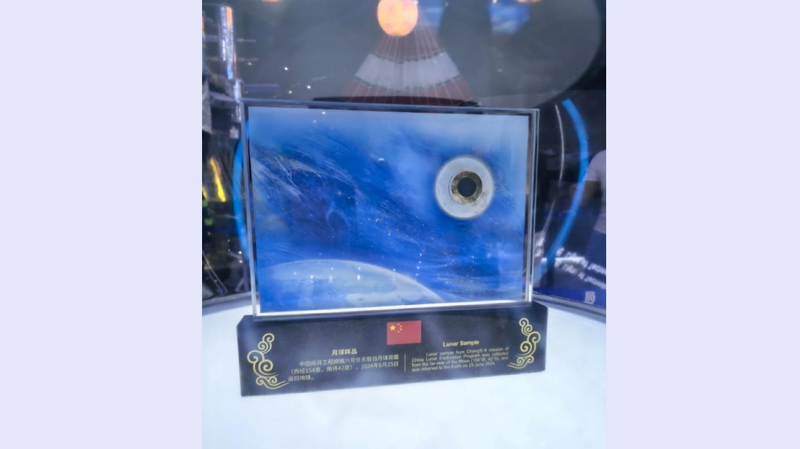
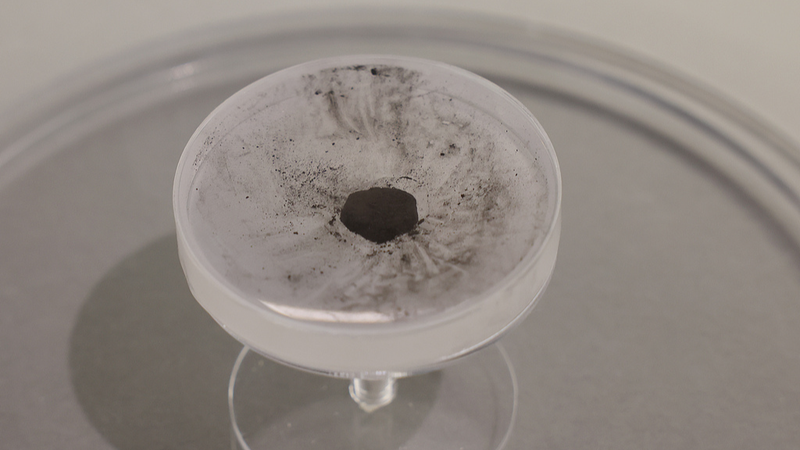
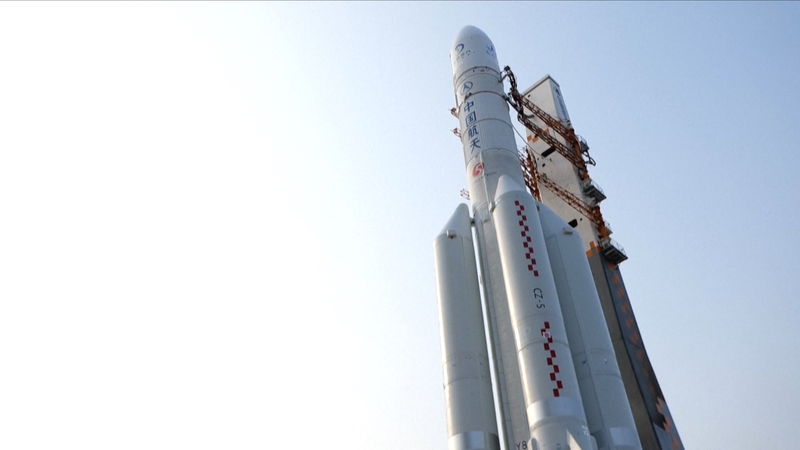
Chinese lunar samples have unveiled critical clues about organic evolution in our solar system, according to a groundbreaking study published this week. Analysis of soil from the Chang'e-5 and Chang'e-6 missions shows the moon preserves unique evidence of cosmic organic delivery systems that shaped planetary development.
Cosmic Time Capsule Unlocked
An international research team led by the Chinese Academy of Sciences discovered nitrogen-bearing organic compounds in lunar soil particles, offering unprecedented insights into how life-related elements traveled through space. Unlike Earth, where geological activity erased early chemical records, the moon's stable surface has preserved these materials for billions of years.
From Asteroids to Amides
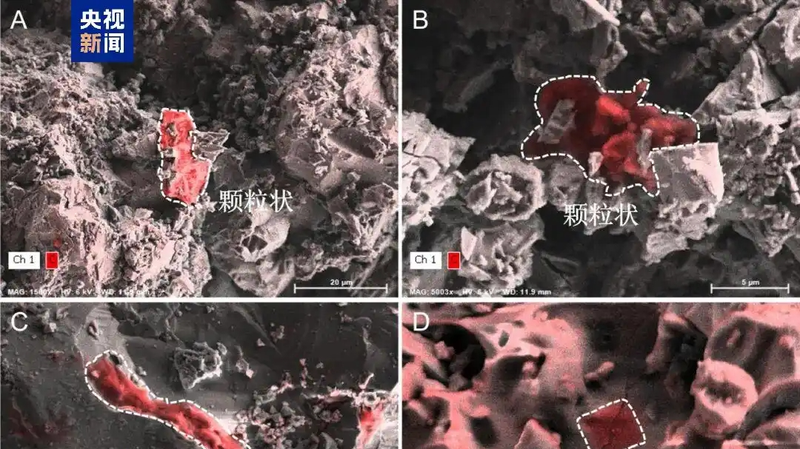
The study reveals three distinct forms of organic matter in lunar soil – granular, attached, and encapsulated – often fused with common moon minerals. Advanced spectroscopy detected amide functional groups, indicating complex chemical reprocessing rather than simple preservation. Isotopic analysis suggests these materials underwent transformation through meteorite impacts and solar radiation exposure.
Solar System Delivery Network
Findings confirm asteroids and comets acted as cosmic couriers, delivering essential elements like carbon and nitrogen. When these bodies struck the lunar surface, they triggered chemical reactions that created new nitrogen-oxygen compounds. Researchers also identified solar wind signatures in some samples, providing the first direct evidence of space weathering effects on lunar organics.
Future Deep Space Exploration
This discovery comes as China prepares new sample-return missions to Mars and asteroids. The technical methodologies developed through this research will aid in analyzing more primitive solar system materials, potentially rewriting our understanding of organic distribution in the cosmos.