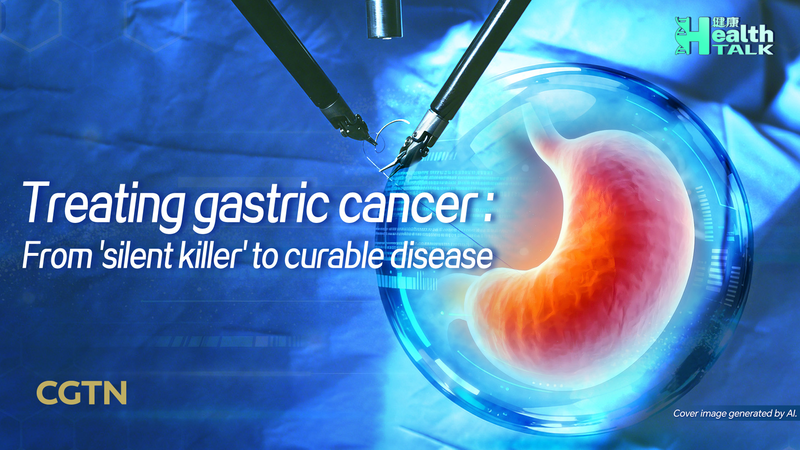
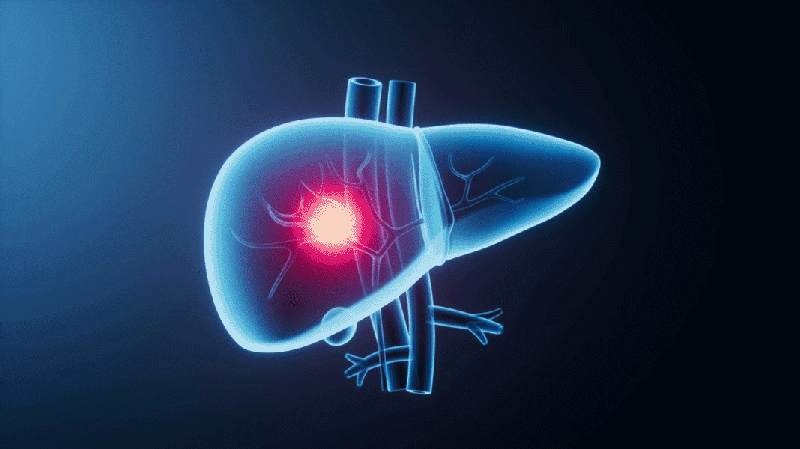
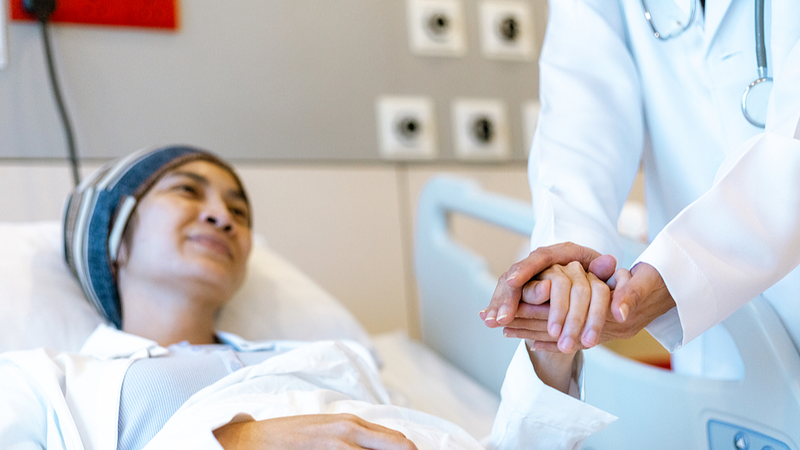
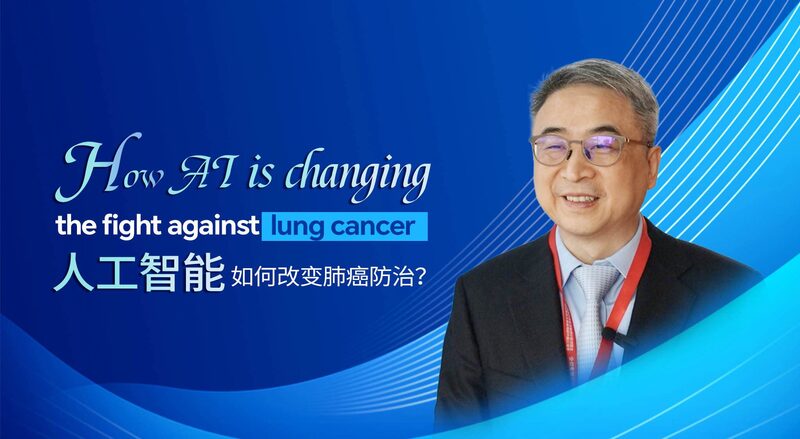
Once dubbed a "silent killer" due to its elusive early symptoms, gastric cancer is now increasingly treatable through technological advances and proactive healthcare strategies. This shift offers new hope across Asia, where the disease has historically caused significant mortality.
Early Detection Breakthroughs
Dr. Ji Jiafu, Academician of the Chinese Academy of Engineering and Director of Peking University Cancer Hospital's Department of Surgery, emphasizes that "modern diagnostic tools like AI-enhanced endoscopy and liquid biopsy enable identification of tumors at stages where cure remains achievable." Over 60% of gastric cancer cases in China's major urban hospitals are now detected early, compared to less than 30% a decade ago.
Treatment Revolution
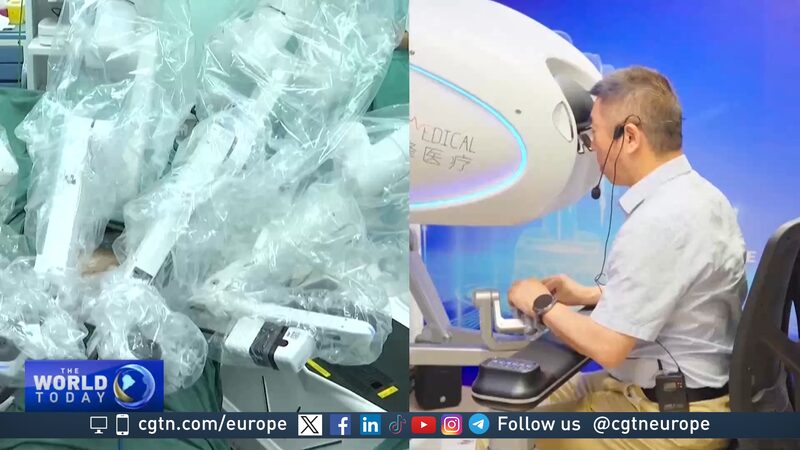
Targeted therapies and immunotherapies have reduced reliance on invasive surgeries. "We're seeing five-year survival rates above 90% for early-stage patients receiving combination treatments," Ji notes. Robotic surgery systems, now operational in 47% of China's provincial cancer centers, further improve precision and recovery times.
Regional Collaboration
Cross-border initiatives like the Asia-Pacific Gastro-Oncology Consortium (APGOC) are standardizing screening protocols. This year, Vietnam and Malaysia joined China and the Republic of Korea in a pilot program deploying mobile screening units to rural areas.
While challenges persist in resource-limited regions, experts agree that gastric cancer is transitioning from a fatal diagnosis to a manageable condition through sustained medical innovation.