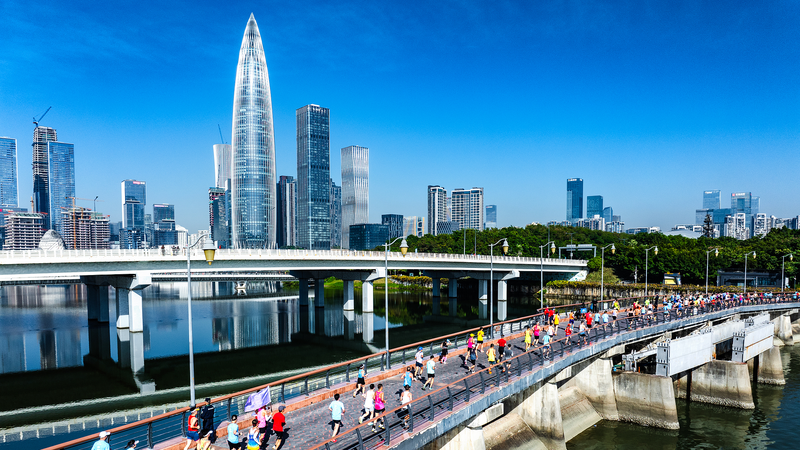
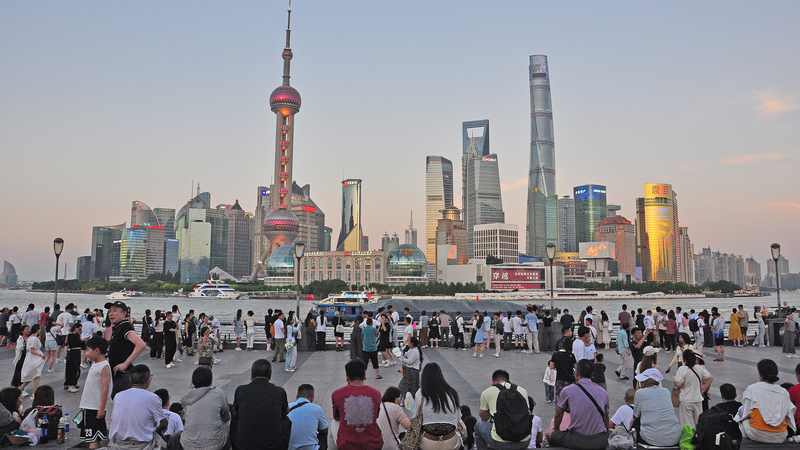
As dawn breaks over Shanghai's Bund in 2026, a growing tide of runners flows along the Huangpu River waterfront – office workers in breathable activewear, retirees in well-worn sneakers, and students tracking their pace on smartwatches. This daily ritual, replicated in cities from Chengdu to Shenyang, marks China's transformation into a nation of runners, where what began as competitive sport has become integral to urban wellness culture.
The movement's roots trace to 1950s industrial worker Zhang Liangyou, whose persistent advocacy helped launch China's first experimental marathon in 1957. The true catalyst came in 1981 when 86 athletes lined up for the inaugural Beijing Marathon – an event that drew international attention and planted the seeds for today's running boom. Over the past decade, participation has surged 300%, with over 18 million Chinese completing organized races since 2016.
Urban planners have responded by creating nearly 12,000 kilometers of dedicated running tracks nationwide since 2020. "Running represents more than exercise – it's about claiming space in fast-paced cities," notes Tsinghua University urban sociologist Dr. Wei Ming. The trend aligns with government health initiatives aiming to have 38.5% of the population engage in regular exercise by 2030.