China has expanded its network of pilot free trade zones (FTZs) to 23 with the establishment of the China (Inner Mongolia) Pilot Free Trade Zone, as announced by the State Council this week. This strategic expansion marks Beijing's latest effort to deepen economic reforms and strengthen cross-border cooperation amid evolving global trade dynamics.
Northern Gateway Enhancement
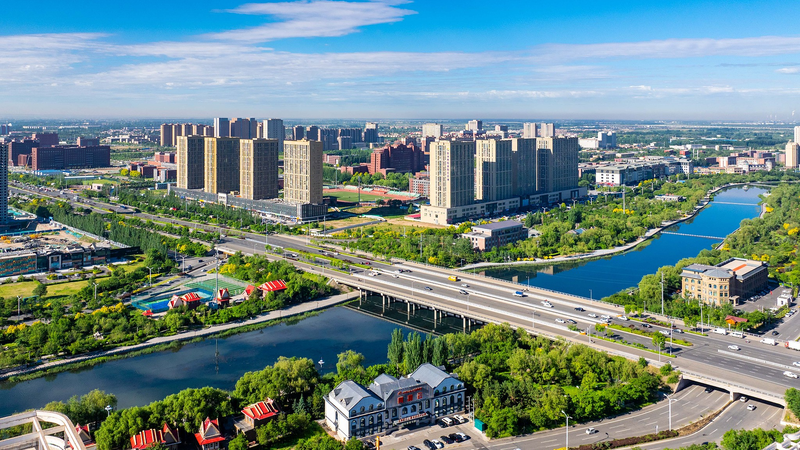
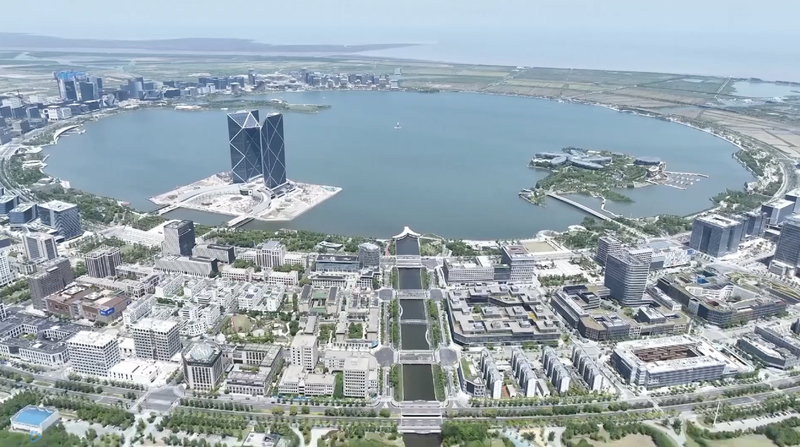
The new 119.74-square-kilometer zone comprises three subzones in Hohhot, Manzhouli, and Erenhot – each designed to leverage unique geographical advantages. The border city of Manzhouli and land port Erenhot are positioned to transform into vital hubs for China-Mongolia-Russia economic cooperation, while Hohhot's subzone will focus on high-tech industries and innovation ecosystems.
Innovation-Driven Development
The State Council plan outlines 19 reform measures including:
Pioneering border trade mechanisms
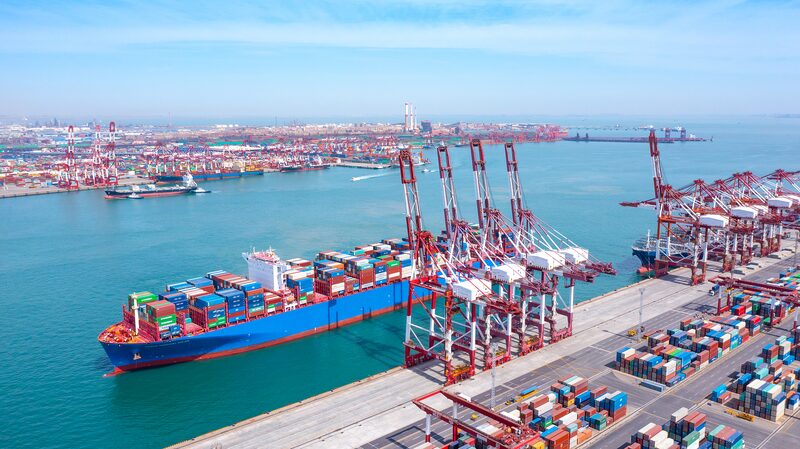
Enhancing international logistics networks
Accelerating technology commercialization
Expanding multilateral cultural exchanges
This development follows the 2023 establishment of the Xinjiang FTZ, continuing China's pattern of using special economic zones to test market liberalization policies before nationwide implementation.
Strategic Economic Integration
Analysts suggest the Inner Mongolia FTZ will serve dual purposes: facilitating resource allocation across northern Asia while creating new supply chain corridors between China's industrial heartland and Eurasian markets. The zone's emphasis on 'differentiated exploration' allows tailored approaches to regional development challenges.
With this expansion, China's FTZ network now covers key strategic regions from coastal financial hubs to inland border areas, reflecting Beijing's commitment to 'high-standard opening up' amid shifting global trade patterns.