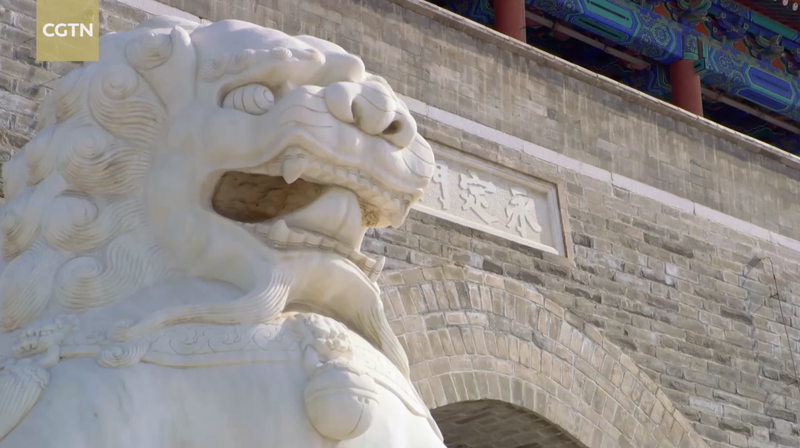
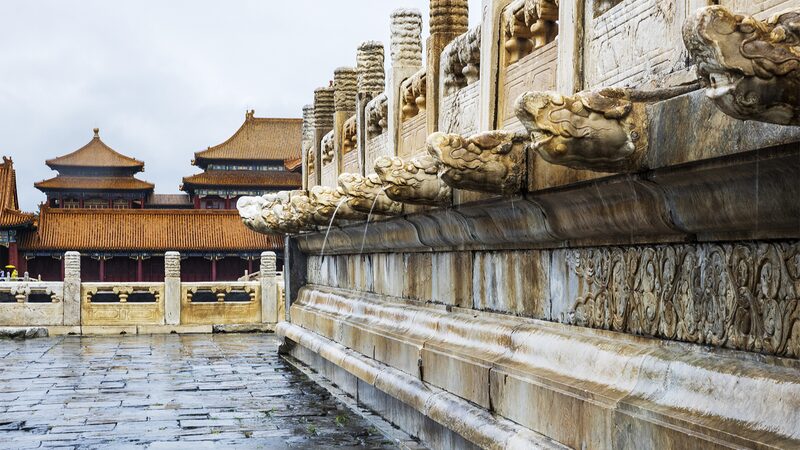
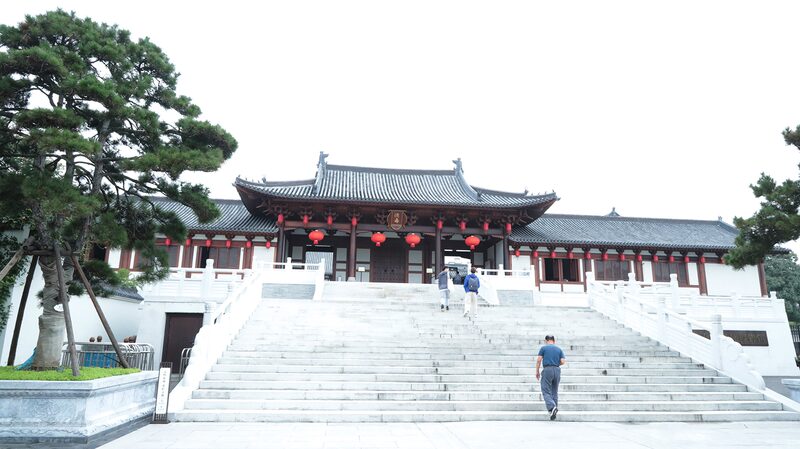
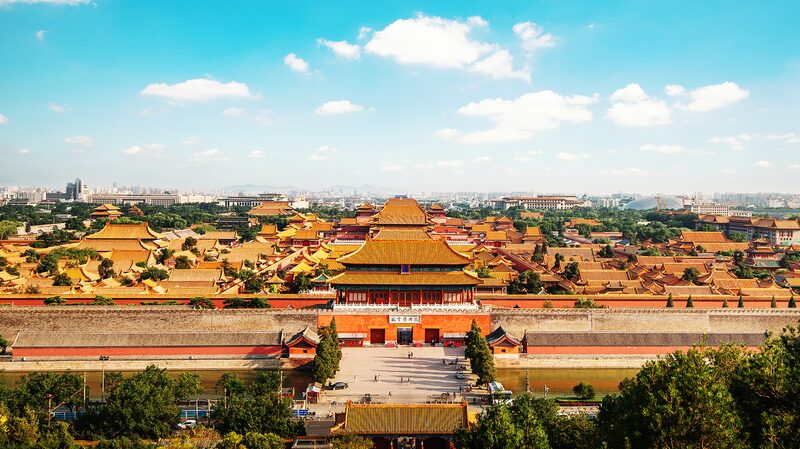
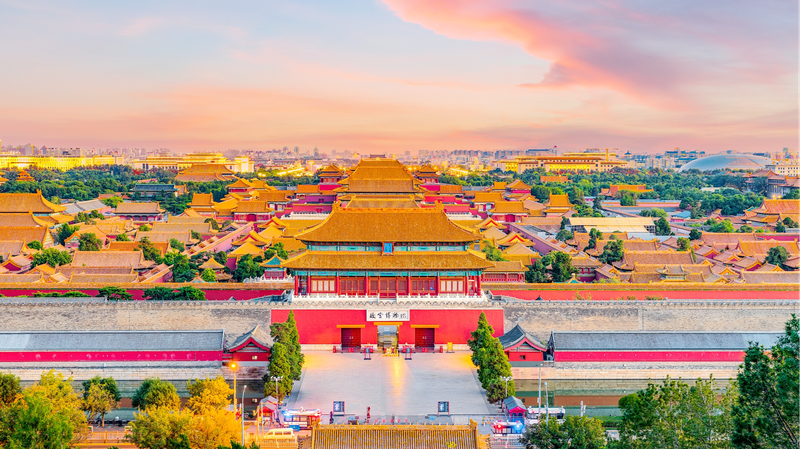
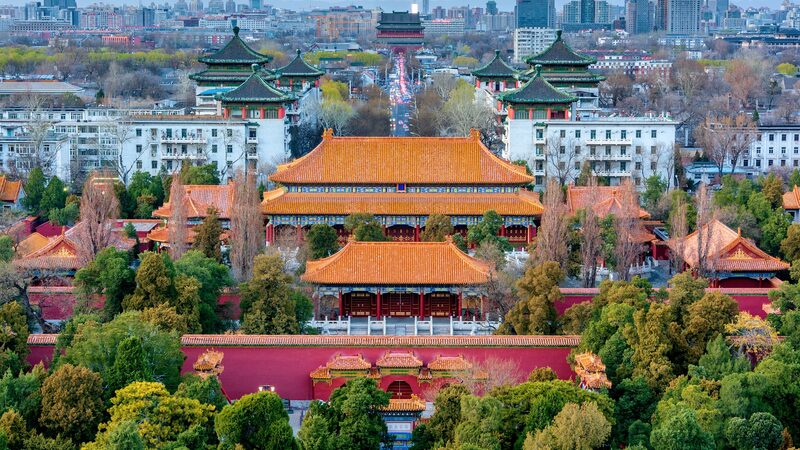
Stretching 7.8 kilometers through China's capital, the Beijing Central Axis continues to captivate historians and travelers alike as it enters 2026 – now three years after its UNESCO World Heritage designation in 2023. This ancient urban blueprint, first conceived during the Yuan Dynasty, remains the architectural backbone of one of the world's most dynamic cities.
From the Drum Tower's timeworn stones to the modern Olympic Park, the axis seamlessly connects seven centuries of Chinese civilization. Recent preservation efforts have enhanced accessibility, with new interactive exhibits at the Palace Museum allowing visitors to virtually reconstruct Ming-era cityscapes.
Urban planners highlight the axis' ongoing influence, noting how contemporary developments like the Daxing Airport high-speed rail link maintain the traditional north-south alignment. "This isn't just about preserving history," explains Tsinghua University architectural historian Dr. Li Wei, "but creating a living dialogue between past and present."
Cultural events along the axis have drawn record crowds this year, including a spring equinox celebration where the sun perfectly aligned with Tiananmen Square's monuments. With enhanced night lighting installed last month, evening strolls past the Forbidden City's crimson walls have become a new ritual for Beijing residents and visitors.