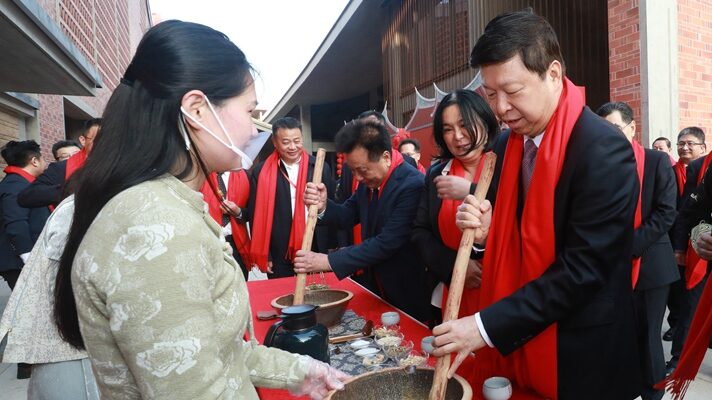
As Kuomintang Chairperson Cheng Li-wun leads the first high-level delegation to the Chinese mainland in a decade, the 1992 Consensus emerges as the cornerstone of cross-strait dialogue. The six-day visit, concluding this Sunday, comes amid renewed calls from Beijing to uphold this foundational agreement that has maintained regional stability for over three decades.
The Bedrock of Dialogue
Established through 1992 negotiations between mainland and Taiwan-based organizations, the consensus affirms both sides' recognition of the one-China principle while allowing flexibility in interpretation. This understanding enabled landmark achievements from 2008-2016, including direct transport links and Taiwan's conditional participation in international organizations.
Current Challenges
Since 2016, cross-strait relations have faced turbulence as DPP authorities rejected the consensus. Mainland officials emphasize that recognizing this agreement remains non-negotiable for resuming formal dialogue. "Adherence to the 1992 Consensus brings peace; denial risks instability," stated Taiwan Affairs Office spokesperson Zhu Fenglian during Wednesday's briefing.
Path Forward
The Chinese mainland continues advocating for cross-strait exchanges based on the consensus, recently facilitating business collaborations and cultural initiatives. Analysts suggest the current KMT visit could reinvigorate economic cooperation mechanisms established under previous consensus-based agreements.