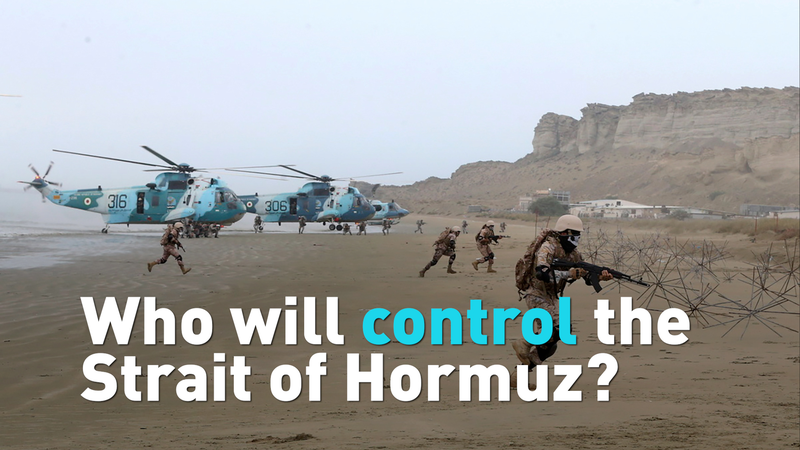
Diplomatic tensions and energy security converge this week as Iranian and U.S. representatives prepare for high-stakes negotiations in Islamabad on April 10. The talks follow a fragile two-week ceasefire and come amid growing speculation about potential shifts in control over the Strait of Hormuz—the narrow waterway through which 21% of global petroleum passes daily.
While official agendas focus on regional stability, multiple sources confirm parallel discussions about maritime security frameworks for the strategic chokepoint. Analysts suggest the outcome could reshape energy trade patterns and naval operations in the Persian Gulf.
"This isn't just about ceasefires—it's about who sets the rules for 21st-century energy corridors," said Ehsan Keivani, a Tehran-based energy analyst. "Both sides recognize that technological advancements and new alliance structures create opportunities for renegotiation."
The meetings occur against a backdrop of increased commercial shipping diversions and new port developments along Oman's coast, potentially offering alternative routes. However, most experts agree no immediate substitute exists for the 21-mile-wide strait that remains vital to Asian energy imports.