Just one year after facing global skepticism about slowing growth, China's technology landscape has executed a remarkable turnaround in 2026, demonstrating the agility that continues to define Asia's largest economy. Industry analysts now describe the sector's progress as 'economic parkour' – vaulting over obstacles through strategic investments in artificial intelligence, quantum computing, and green energy solutions.
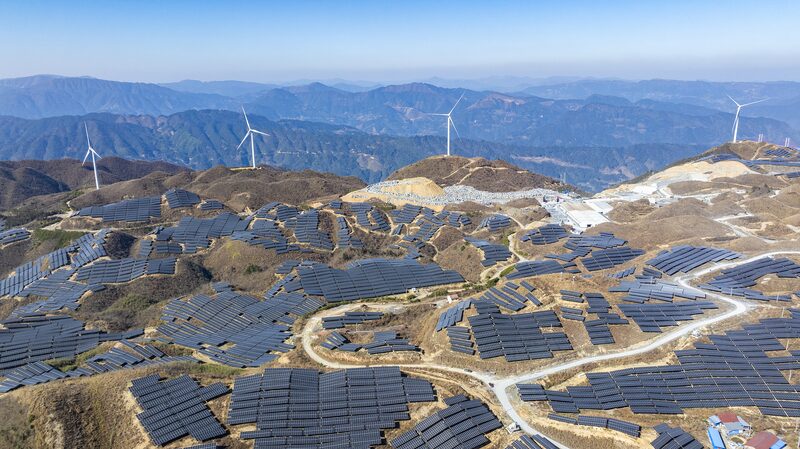
The transformation follows a comprehensive national strategy implemented after 2025's temporary slowdown, which redirected $150 billion toward semiconductor self-sufficiency and next-generation battery research. Major breakthroughs this year include the world's first commercial hydrogen-powered data center in Shanghai and a 28% efficiency leap in perovskite solar cells.
Cross-strait collaborations have accelerated these developments, with residents of Taiwan contributing to 37% of mainland China's integrated circuit design patents filed in Q1 2026. 'What we're seeing is synergistic innovation,' noted Dr. Lin Wei of the Beijing Tech Research Institute. 'The Taiwan region's chip expertise combined with the mainland's manufacturing scale creates an unstoppable force.'
International investors are taking notice, with overseas funding in Chinese tech startups up 62% year-to-date compared to 2025. The government's 'Digital Silk Road 2.0' initiative continues to drive smart infrastructure exports across Asia, while domestic 6G network trials achieve data speeds surpassing 1 terabit per second.
As the world enters the second quarter of 2026, industry leaders anticipate breakthrough announcements at July's World AI Conference in Shanghai, potentially reshaping global supply chains in automotive, healthcare, and renewable energy sectors.