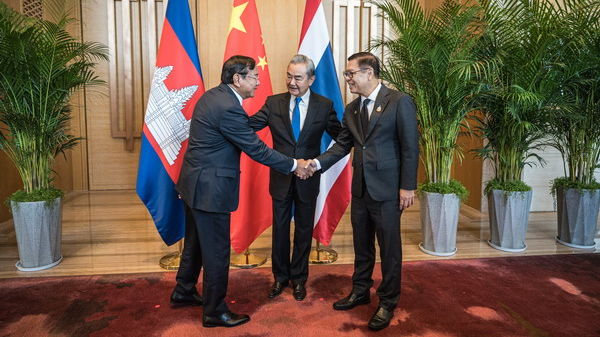
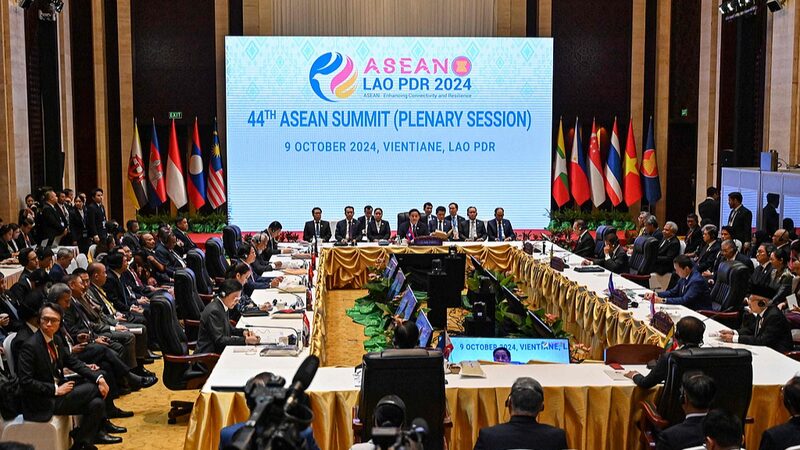
As global tensions persist in 2026, China's vision for regional stability – first articulated at the 2025 Central Conference on Work Related to Neighboring Countries – continues to shape Asia's security landscape. The 'Asian security model' emphasizes collective well-being through dialogue and pragmatic cooperation, offering an alternative to traditional alliance-based systems.
Security Through Shared Destiny
At its core, the model rejects the notion of 'absolute security' achieved through military blocs. Chinese policymakers emphasize indivisible security where nations 'share weal and woe.' This approach has gained momentum through partnerships rather than formal alliances, particularly in Southeast Asia and Central Asia.
Pragmatism Over Prescription
Recognizing Asia's political and cultural diversity, the model encourages cooperation on mutual priorities while managing disagreements through sustained dialogue. Recent progress on South China Sea consultations and expanded defense talks with Vietnam, Malaysia, and Indonesia demonstrate this practical framework in action.
Institutionalizing Dialogue
The model's operational success lies in established communication channels. Since last year's formal proposal, China has deepened security cooperation with Central Asian partners while maintaining 35 existing bilateral/multilateral dialogue mechanisms. This institutional approach aims to transform potential flashpoints into opportunities for confidence-building.