As urban commuters across the Chinese mainland tap smartphone screens to order breakfast deliveries and hail rideshare vehicles each morning, they're fueling an economic transformation reshaping Asia's largest economy. The seamless integration of digital services into daily routines – from AI-optimized traffic systems to cloud-based health monitoring – now drives nearly 60% of China's GDP growth, according to 2026 industry reports.
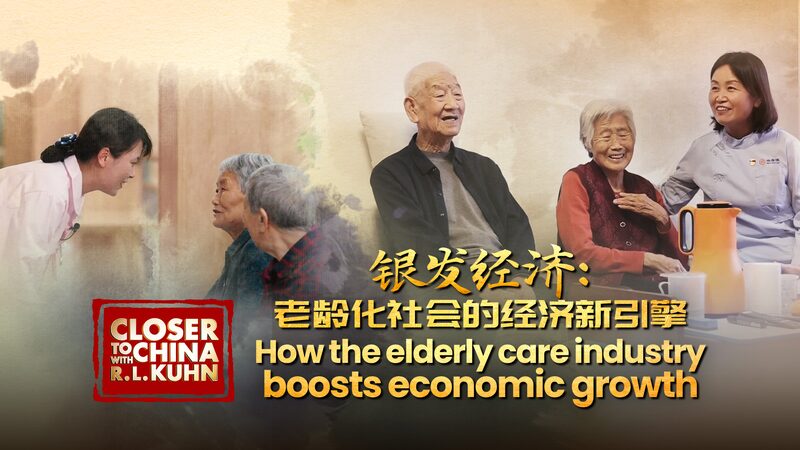
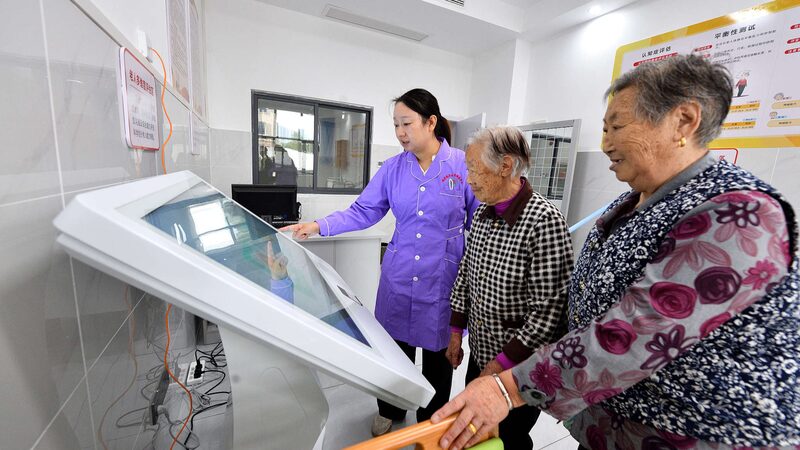
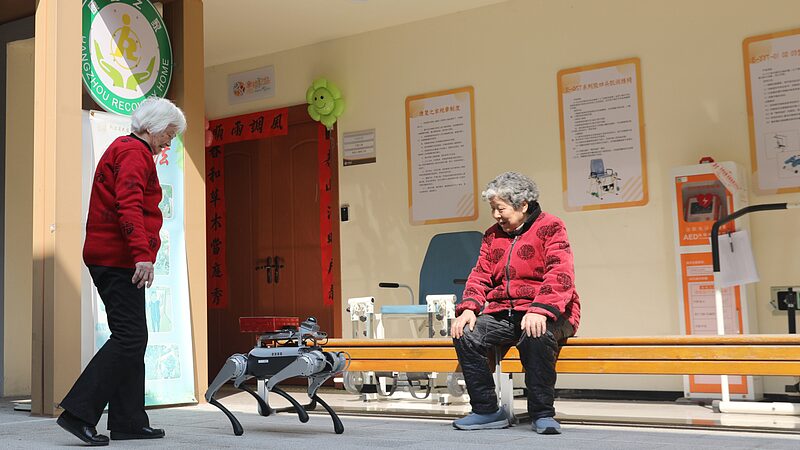
This year's government initiatives under the 15th Five-Year Plan aim to elevate service standards while expanding into emerging sectors like smart elderly care and AI-enhanced tourism. 'What began as convenience apps has matured into critical infrastructure,' notes Beijing-based economist Dr. Li Wei. 'Every yuan spent on food delivery or shared mobility now circulates through 12 supporting industries, from cloud computing to urban planning.'
The service sector's evolution reflects China's economic rebalancing, with domestic consumption contributing 79% of Q1 2026 growth. Recent policy measures focus on quality upgrades, including national certification systems for home service providers and 5G-enabled rural tourism platforms. As digital payment penetration reaches 92% in major cities, even traditional sectors like manufacturing adopt service-oriented models through equipment leasing and predictive maintenance subscriptions.
With the 'China Service' branding campaign gaining momentum ahead of October's Global Services Trade Fair, analysts predict service exports could surpass $1 trillion by 2027. This transformation creates opportunities for overseas investors and businesses adapting to China's unique blend of technological scale and consumer sophistication.