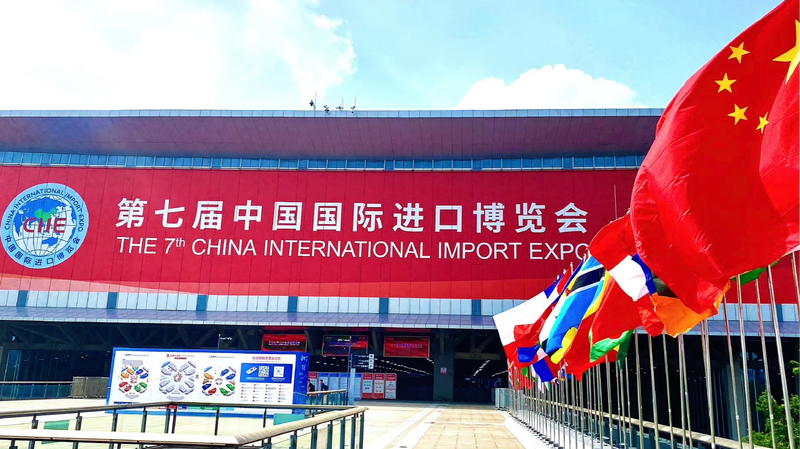
China has solidified its position as the central hub in the ASEAN+3 production network, according to a report released this week by the Singapore-based ASEAN+3 Macroeconomic Research Office (AMRO). The findings, detailed in the ASEAN+3 Regional Economic Outlook 2026, highlight the structural shifts that have reshaped supply chains and demand dynamics across the region over the past two decades.
Supply-Side Evolution
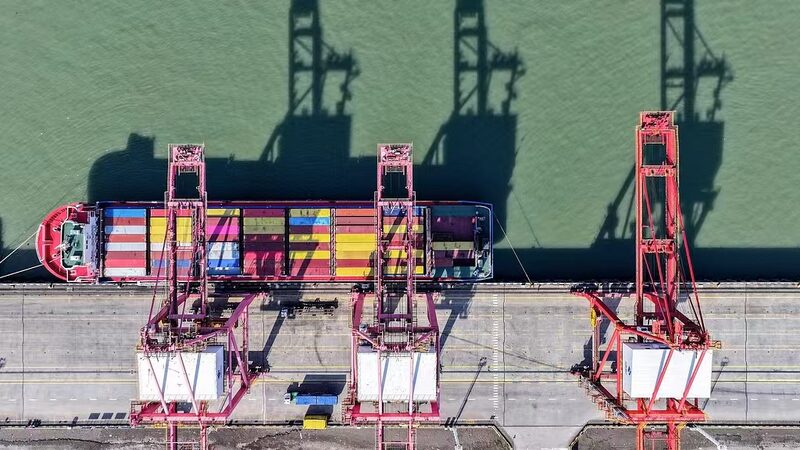
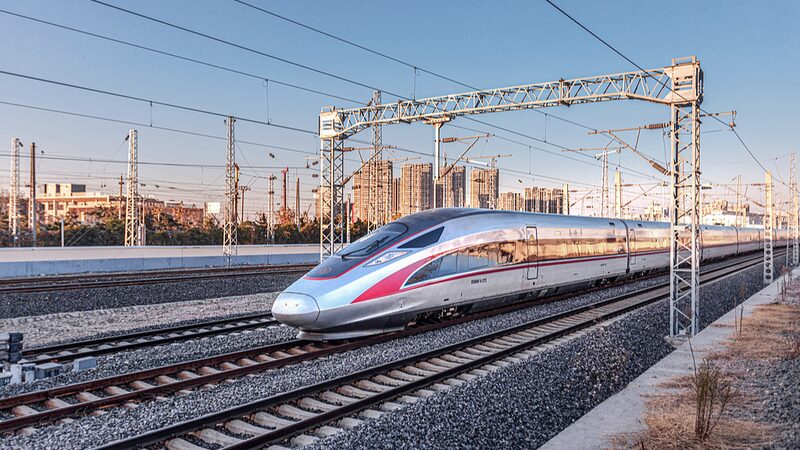
AMRO noted that regional production networks have transitioned from a Japan-centric model to a more interconnected system anchored by the Chinese mainland. This shift, driven by China's expanded manufacturing capabilities, advanced logistics infrastructure, and dominance in intermediate goods trade, has created a "denser, more resilient architecture" across ASEAN+3 economies.
Demand-Driven Growth
The report reveals that ASEAN+3 now accounts for more global final demand than the United States, with intraregional demand growing exponentially since the early 2000s. China serves as the primary demand hub, while other regional economies increasingly fuel demand for Chinese exports—a mutually reinforcing relationship that strengthens economic interdependence.
Investment Reinforces Ties
Foreign direct investment (FDI) flows within ASEAN+3 have further integrated regional economies, complementing existing trade and production links. AMRO Chief Economist He Dong emphasized during Monday's report launch that increasing domestic value-added content through FDI remains critical for building supply chain resilience. "Upgrading local capacities allows ASEAN firms to better absorb spillover benefits," he stated, adding that this approach helps safeguard against external economic shocks.
The findings underscore ASEAN+3's growing economic cohesion, with China's dual role as both production anchor and consumption engine positioning it at the heart of regional development strategies in 2026.