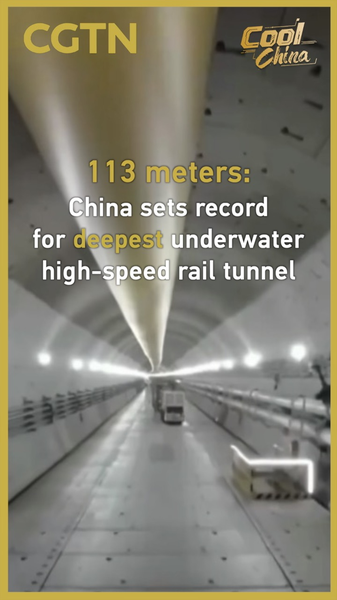
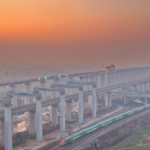
China's Shenzhen-Jiangmen High-Speed Railway project has achieved a historic engineering milestone, with its undersea tunnel reaching 113 meters below the seabed as of April 2026. This breakthrough positions the Pearl River Estuary Tunnel as the world's deepest high-speed rail shield tunnel, with final construction expected to reach 116 meters.
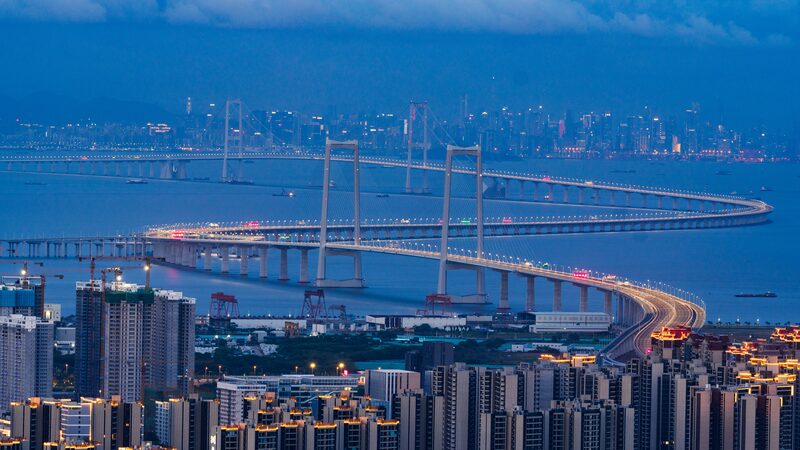
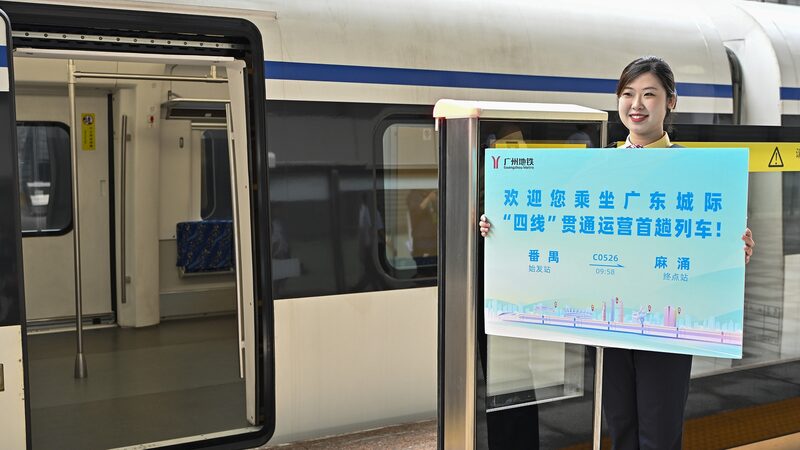
The tunnel forms the core of the 116-kilometer coastal rail corridor connecting Shenzhen and Jiangmen. When operational in coming years, it will slash travel time between these key Guangdong province cities to under one hour, accelerating economic integration in the Guangdong-Hong Kong-Macao Greater Bay Area.
Construction crews worked through the recent Qingming Festival holiday to operate the domestically developed 'Shenjiang-1' tunnel boring machine. This 13-meter diameter engineering marvel has advanced over 4 kilometers since 2022, navigating 13 geological strata and six fault zones beneath one of Asia's busiest waterways.
Engineers face extreme challenges from water pressure equivalent to 10 atmospheres at maximum depth. The TBM's dual slurry system continuously cools cutting tools while transporting excavated material to surface treatment plants, where 90% of slurry gets recycled.
As the machine progresses, workers simultaneously install 2-meter-wide concrete segments to form the tunnel lining. This parallel construction approach has enabled crews to maintain an average advance rate of 12 meters per day despite complex marine geology.
The project underscores China's growing expertise in mega-infrastructure, with the completed tunnel expected to handle 350 km/h trains. Analysts predict the railway will strengthen supply chain connectivity between manufacturing hubs and deepen regional economic cooperation.