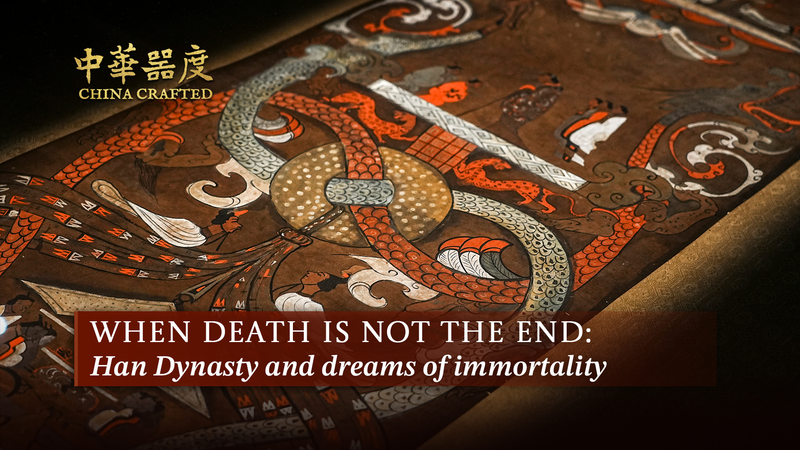
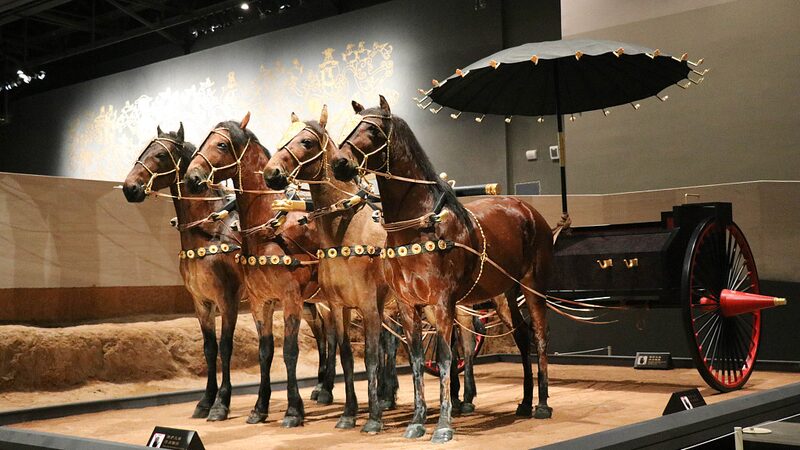
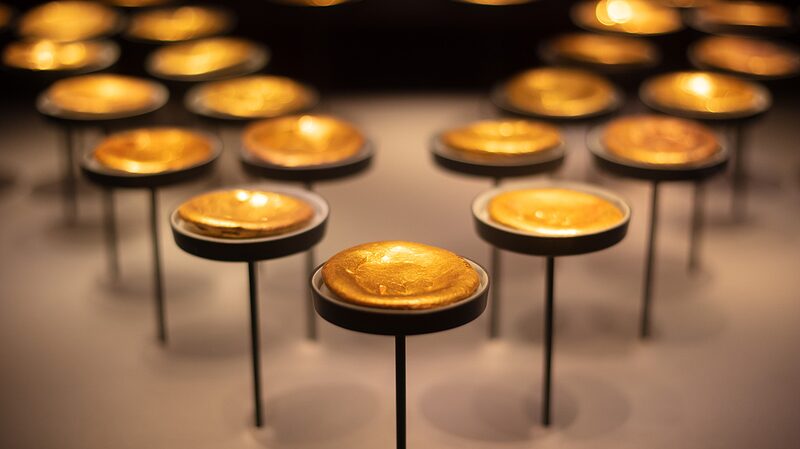
For Han Dynasty residents, death marked not an ending but a metamorphosis – a concept that shaped one of history's most fascinating approaches to eternity. As archaeologists uncover new tomb artifacts this year, modern audiences gain fresh insights into how these ancient people prepared for their celestial journeys while maintaining earthly comforts.
Elaborate burial sites recently excavated in Henan Province reveal stone-carved 'underground palaces' stocked with jade suits, ritual bronze vessels, and miniature terracotta armies. These finds reflect the Han belief that the deceased required material sustenance for their subterranean existence while their hun (ethereal soul) pursued immortality among the stars.
Contemporary scholars note the dynasty's unique synthesis of Daoist transcendence practices with Confucian ancestral veneration. 'The Mawangdui silk texts discovered last month show precise star maps alongside family genealogy records,' explains Peking University historian Dr. Li Wei. 'This physical-spiritual duality defined Han cosmology.'
For today's Asian diaspora communities, these discoveries resonate with enduring cultural traditions. The Qingming Festival observed this April continues ancient practices of tomb maintenance and ancestral communication – a living bridge between modern customs and 2,000-year-old beliefs.