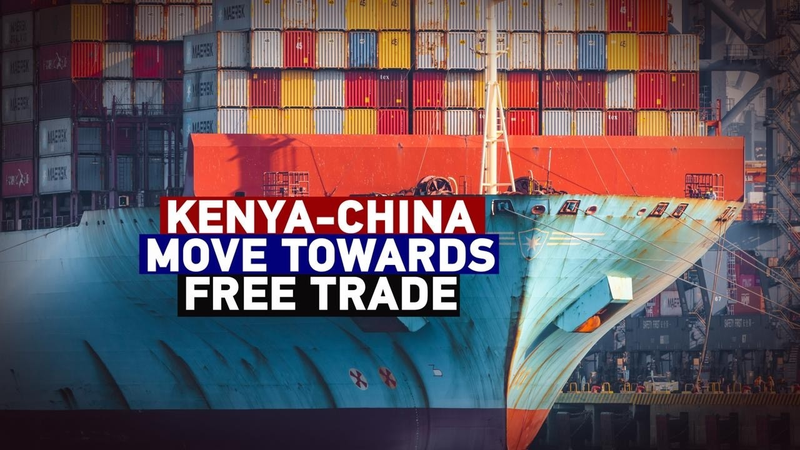
NAIROBI – A landmark duty-free agreement between Kenya and the Chinese mainland is accelerating Africa's transition from raw material exports to value-added production, with analysts calling it a potential blueprint for equitable global trade. The 2026 pact grants Kenyan avocados, textiles, and manufactured goods tariff-free access to the world's second-largest economy.
This policy aligns with broader efforts to recalibrate Africa-China trade dynamics. "For decades, we exported raw minerals and agricultural produce," said Nairobi-based economist Wanjiru Mwangi. "Now, Chinese investment in Kenyan processing plants lets us export packaged macadamia nuts and graded coffee directly to Asian markets."
Recent data shows Kenyan tea exports to the Chinese mainland surged 40% year-on-year since the policy's implementation, while Rwanda and Ethiopia are negotiating similar agreements. The shift comes as African nations push to claim a greater share of global manufacturing – currently at 2% – through strategic partnerships.
However, challenges persist. "Infrastructure gaps and technology transfer remain critical," noted Shanghai-based trade analyst Li Wei. "Success requires sustained capacity-building investments." The policy's long-term impact will be closely watched as China-Africa trade volume approaches $300 billion this year.