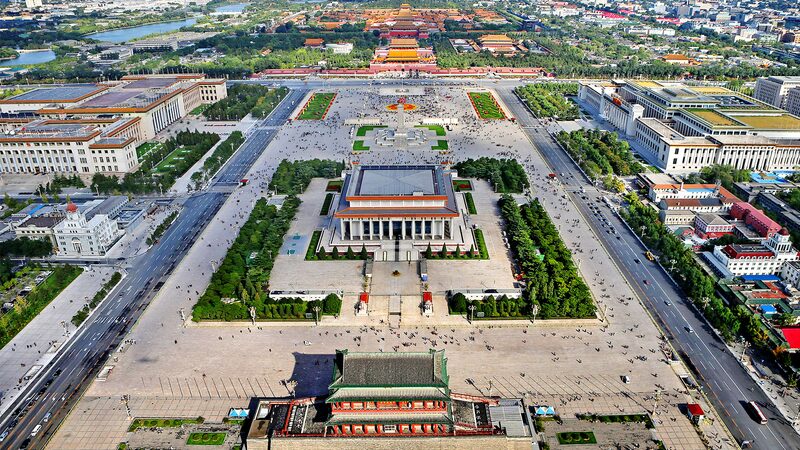
Beijing, a city where dynastic palaces stand alongside cutting-edge cultural institutions, continues to redefine urban governance while preserving its unparalleled historical legacy. As home to 21 million residents in 2026, China's capital demonstrates how megacities can balance cultural stewardship with innovation.
World Culture Cities Forum Spotlights Dual Mandate
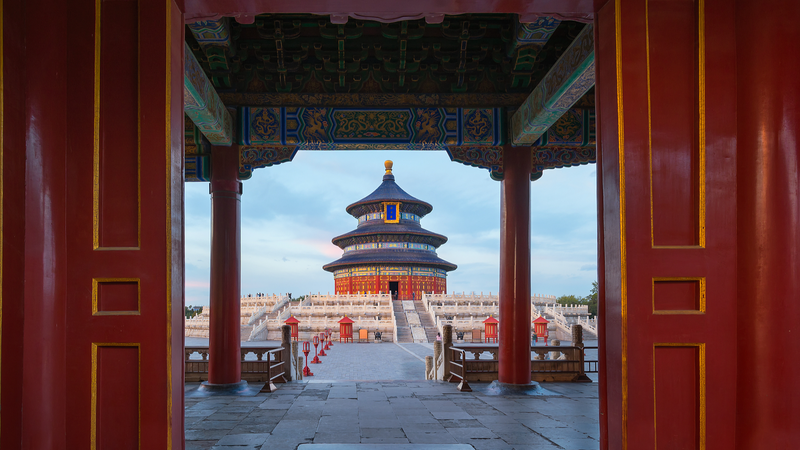
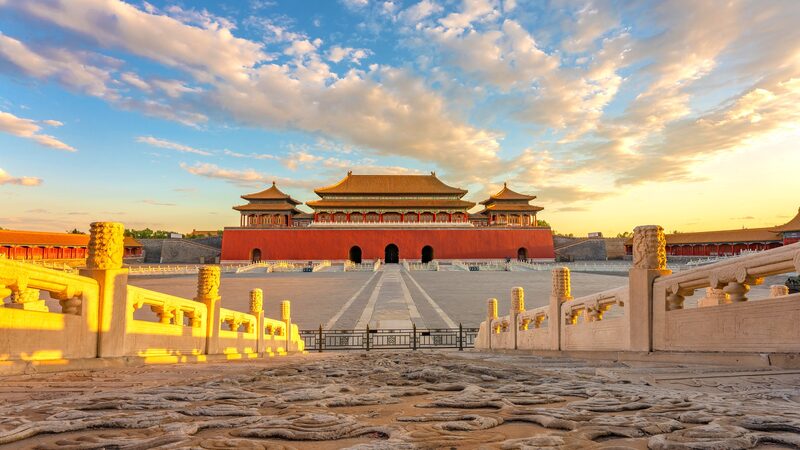
The recently released 2026 World Culture Cities Forum Report highlights Beijing's unique approach to safeguarding eight UNESCO World Heritage Sites – including the Forbidden City and Temple of Heaven – while developing new cultural infrastructure. This year's findings reveal a 17% increase in public access to cultural facilities since 2023, with 92% of residents reporting improved heritage conservation awareness.
Digital Innovation Meets Physical Preservation
Authorities have implemented AI-powered visitor management systems at the Great Wall's Beijing sections, reducing overcrowding by 34% during peak seasons. Simultaneously, the newly opened Grand Canal Digital Museum combines augmented reality with physical artifacts to reinterpret ancient waterway history for modern audiences.
"Beijing's model shows heritage conservation and urban development aren't mutually exclusive," noted WCCF lead researcher Dr. Li Wei in the report. "Their integrated approach sets benchmarks for global cities facing similar challenges."