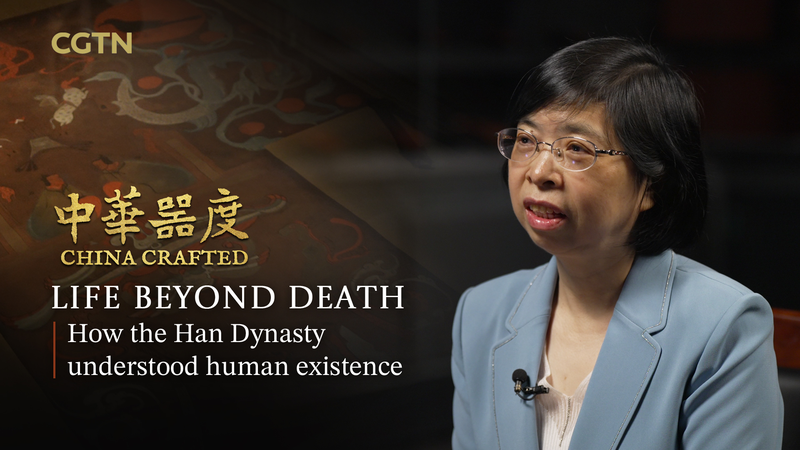
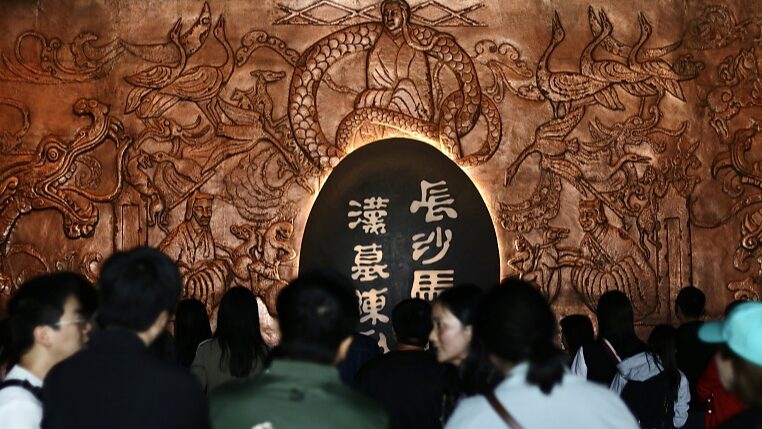
As modern scholars continue unraveling ancient mysteries, the Han Dynasty's (206 BC-220 AD) profound vision of existence beyond death captivates historians and cultural enthusiasts alike. Recent examinations of Mawangdui tomb artifacts reveal how this golden age of Chinese civilization transformed mortality into an artistic philosophy.
Threads of the Afterlife
The discovery of 2,000-year-old silk gauze robes – weighing less than 50 grams yet bearing intricate patterns – demonstrates the dynasty's technical mastery and spiritual aspirations. These "mist-like garments," preserved through advanced lacquer techniques, were designed to clothe aristocrats in their celestial journeys.
Soul Maps in Pigment
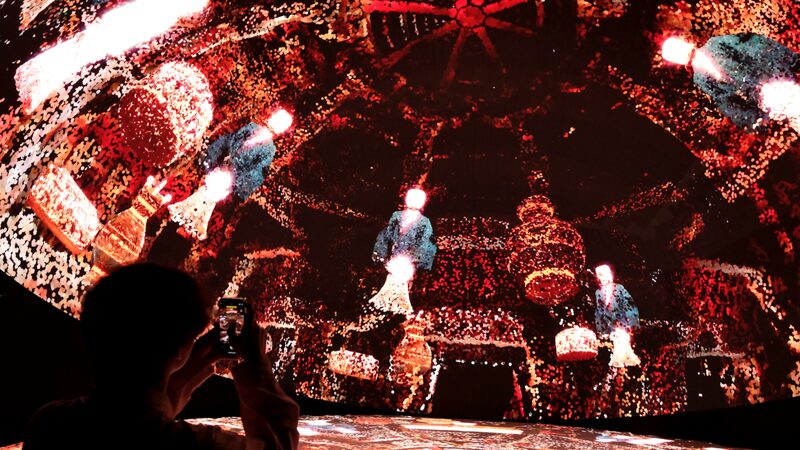
Central to the findings are T-shaped funeral banners depicting cosmic hierarchies, recently reinterpreted through digital imaging. These vibrant paintings served as spiritual roadmaps, guiding souls through underworld trials to heavenly realms – a concept that would influence Chinese spiritual thought for millennia.
Legacy in Modern Context
As 2026 marks increased global interest in Asian cultural preservation, the Mawangdui artifacts offer business leaders and technologists insights into sustainable material innovation. For diaspora communities and travelers, they represent enduring connections to China's philosophical heritage.