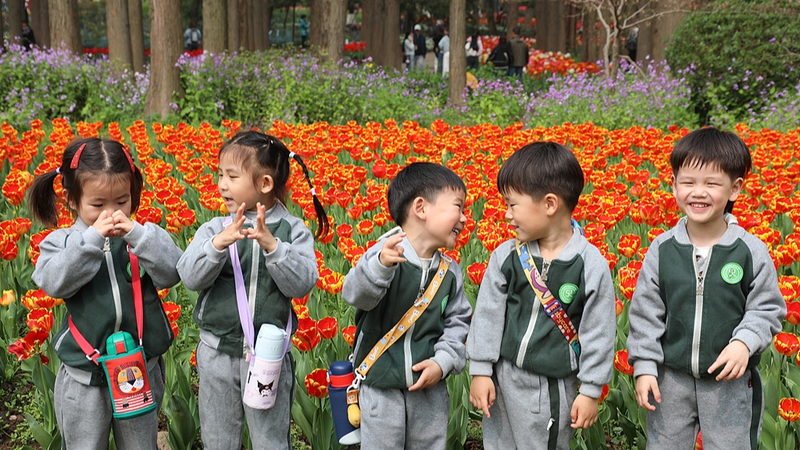
As cherry blossoms bloom across the Chinese mainland in April 2026, a groundbreaking educational experiment is unfolding: primary and secondary school students are embracing newly institutionalized spring breaks designed to merge classroom learning with real-world experiences. This year marks the first nationwide rollout of the policy, which encourages students to travel, engage in cultural activities, and participate in community projects during their time away from school.
From Local Experiment to National Policy
The concept traces its roots to Hangzhou, Zhejiang Province, where education authorities pioneered seasonal breaks as early as 2004. Following two decades of regional trials, the practice gained formal recognition in China's 2026 government work report, which advocates for spring and autumn breaks in areas with adequate educational infrastructure.
Balancing Tradition and Modern Education
This year's spring break calendar strategically aligns with traditional observances, creating extended learning opportunities. Many regions scheduled breaks preceding the recent Qingming Festival (April 4-6, 2026), while others will connect with the upcoming May Day holiday to form week-long educational travel windows. Students from grades 1-8 currently participate in the program, though final-year secondary students remain focused on graduation preparations.
Education experts highlight the policy's dual focus: 'This isn't just vacation time—it's structured experiential learning,' notes Beijing-based academic Dr. Li Wei. 'Students might visit historical sites, conduct ecological surveys, or shadow professionals, all while developing practical skills.'