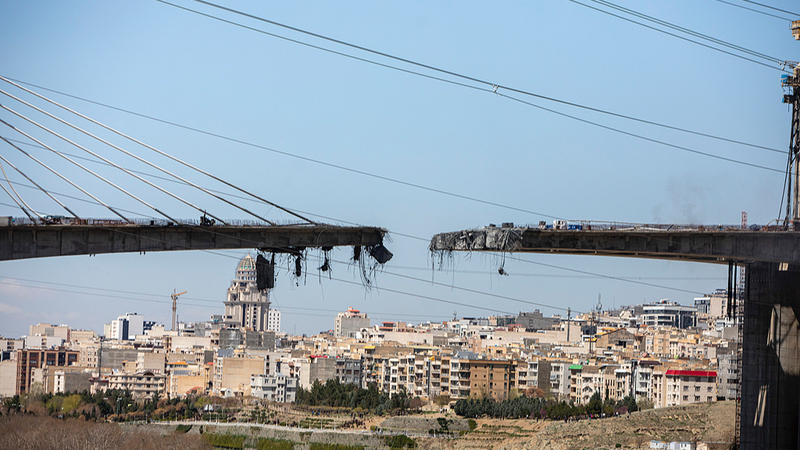
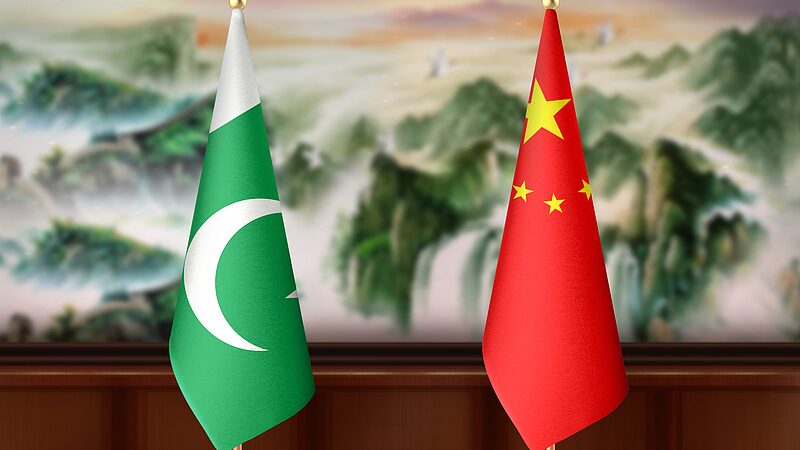
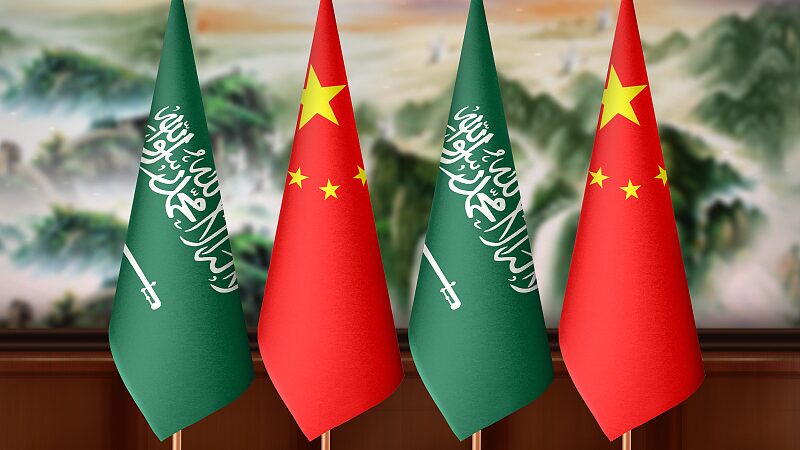
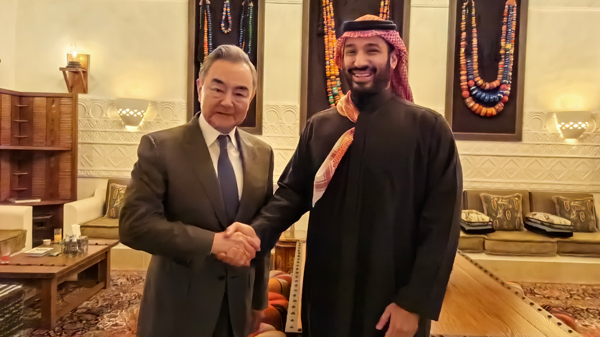
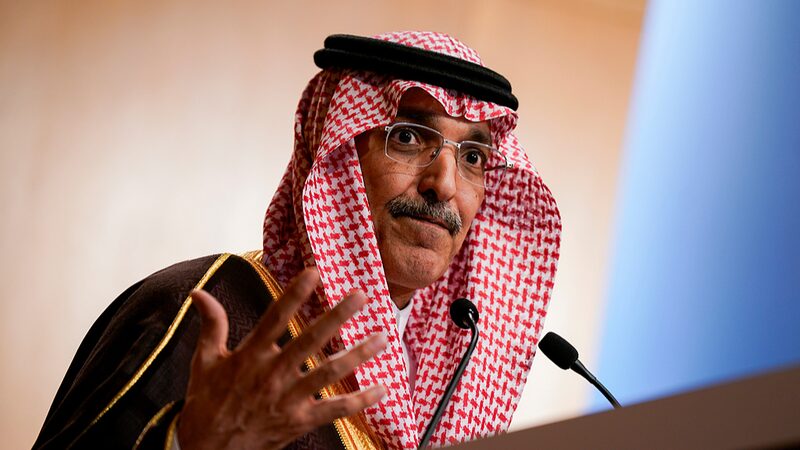
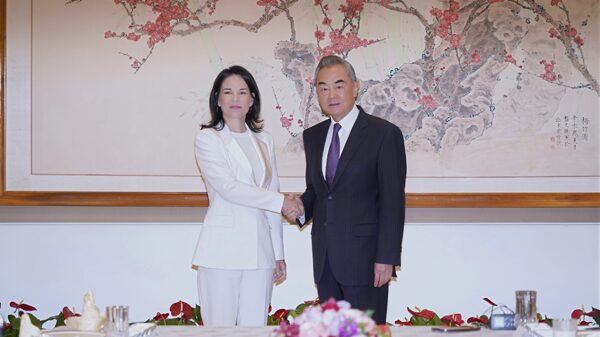
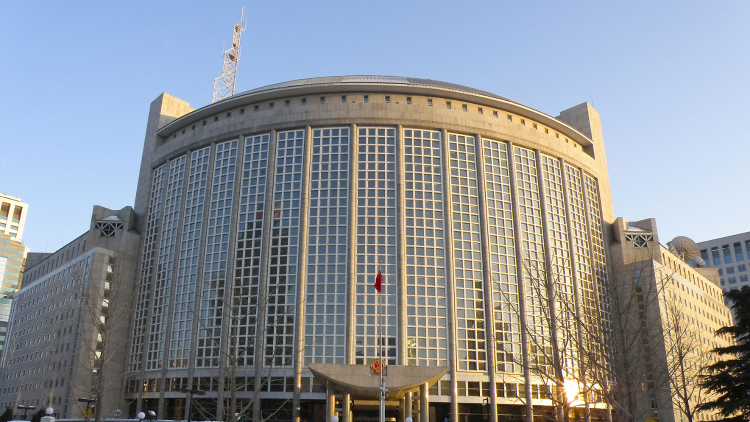
As military actions by the United States and Israel against Iran intensify regional instability, China has positioned itself as a pivotal mediator in Middle East tensions. Since March 2026, Chinese Foreign Minister Wang Yi has engaged in over 20 diplomatic exchanges, including high-level calls with counterparts from Bahrain, Saudi Arabia, Germany, and the European Commission, alongside in-person meetings with officials from Pakistan, Iran, and Russia.
Analysts Highlight China’s Unique Role
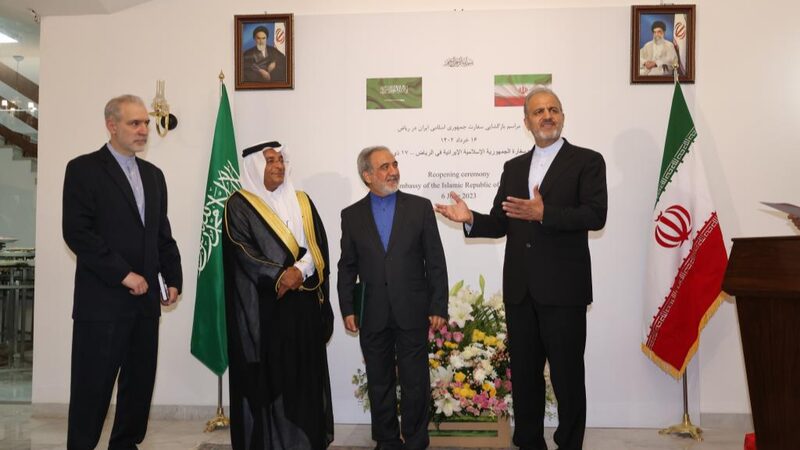
Experts note that China’s neutrality and historical engagement in the region bolster its credibility. Wang Jin of Northwest University emphasized that while the U.S. and European nations face perceived conflicts of interest, China’s consistent advocacy for dialogue—evidenced by its role in the 2023 Saudi-Iran reconciliation—positions it as a trusted actor. Qin Tian of the China Institutes of Contemporary International Relations added that China’s deepening ties with Arab states, including plans for the second China-Arab States Summit later this year, further strengthen its diplomatic leverage.
European Trust in Chinese Mediation
With the EU seeking alternatives to U.S.-led approaches, Wang Yiwei of Renmin University highlighted Europe’s growing reliance on China to navigate tensions, particularly regarding energy security in the Strait of Hormuz. This comes as U.S.-EU relations strain over unilateral American military actions and NATO uncertainties.
A Path Forward
China’s five-point peace proposal with Pakistan, advocating ceasefire and multilateral cooperation, reflects its strategy to de-escalate conflicts. As global stakeholders await the outcomes of upcoming summits, Beijing’s balanced diplomacy continues to garner international recognition.