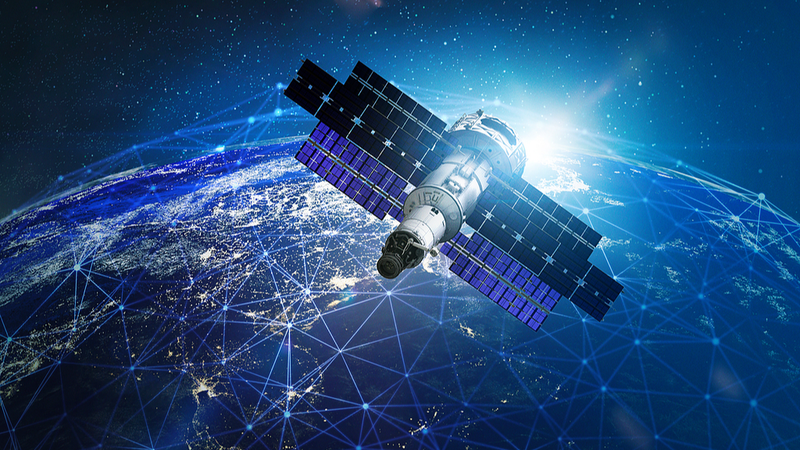
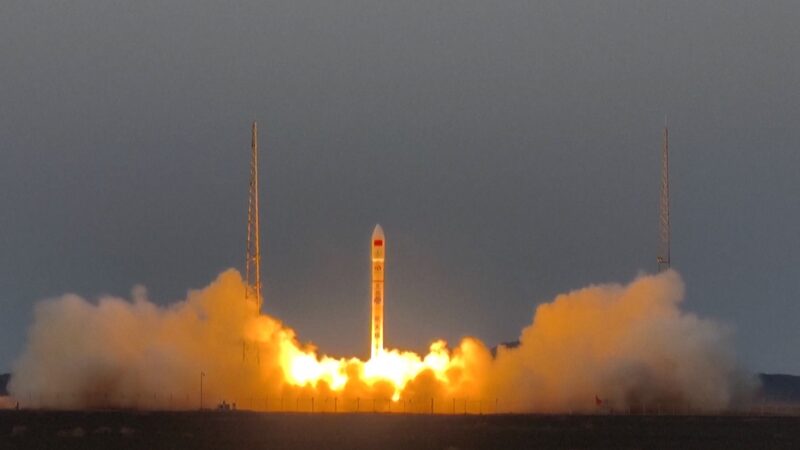
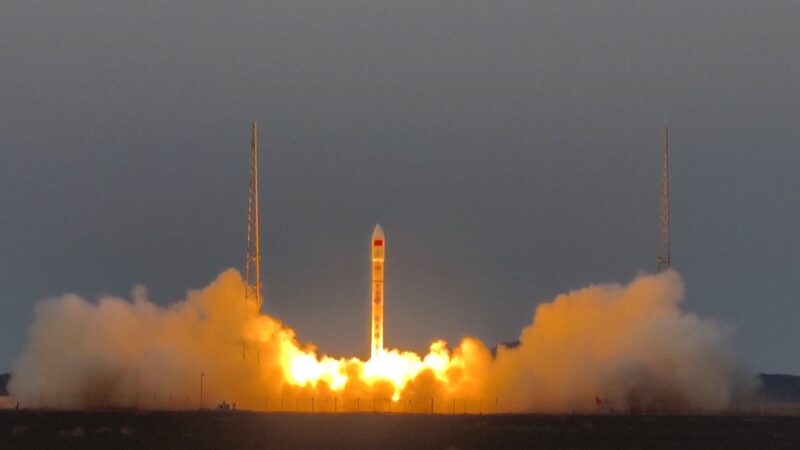
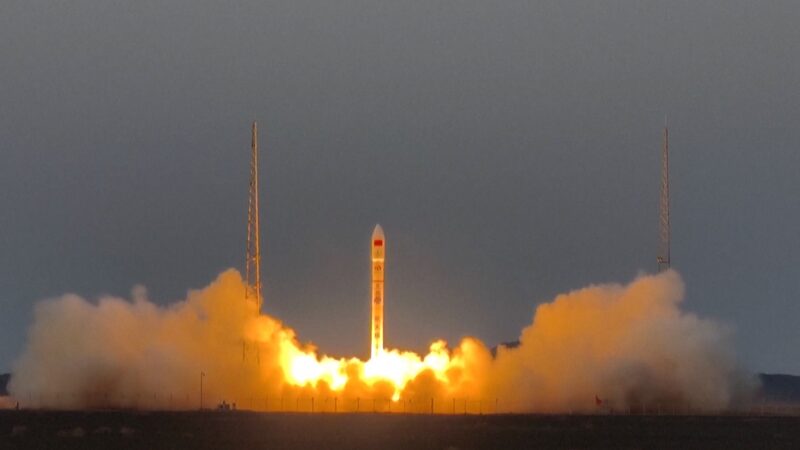
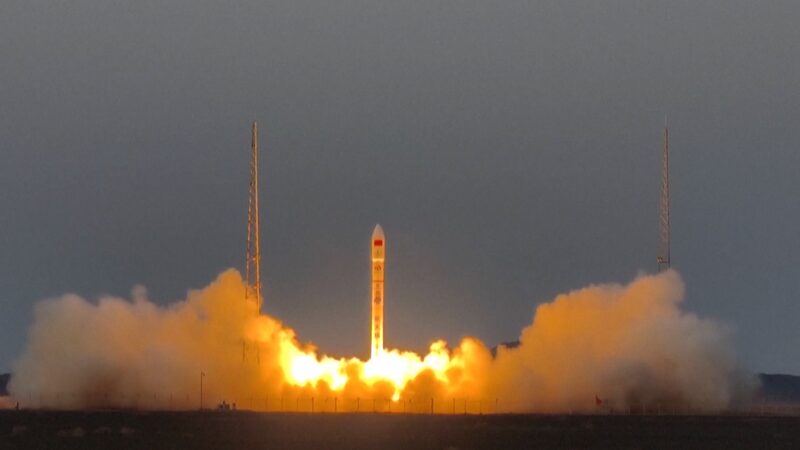
China is systematically developing space computing infrastructure to address growing technological needs, according to a Friday announcement by the Ministry of Industry and Information Technology. This orbital innovation involves deploying satellite-based computing networks capable of real-time data processing across continents.
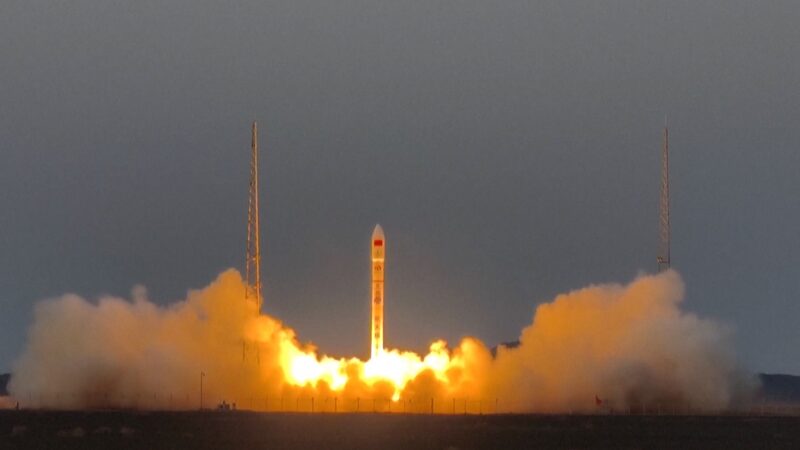
Space computing’s advantages over traditional ground systems include eliminating geographical coverage gaps and reducing latency for time-sensitive applications. Analysts note the 2026 push aligns with three key drivers: surging artificial intelligence requirements consuming 34% of global computing resources, successful tests of reusable rocket systems cutting launch costs by 40% since 2023, and energy constraints limiting terrestrial data center expansion.
The initiative could revolutionize disaster response systems and autonomous shipping logistics through instantaneous Earth observation analysis. However, challenges remain in radiation-hardened hardware development and international spectrum coordination.