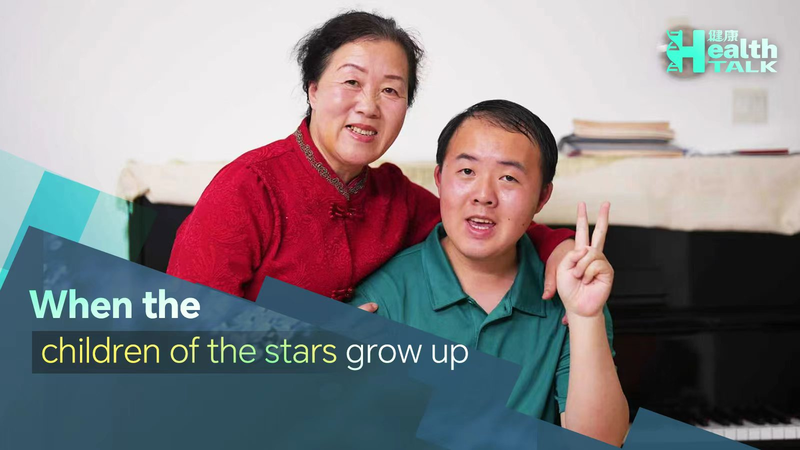
At 26, Shuwei fills his days with piano melodies and carefully structured routines under his mother's care in eastern China. Like many adults with autism spectrum disorder, he represents a growing population often overlooked by society – the 'grown-up stars' who continue needing support long after childhood.
The term 'children of the stars,' commonly used in the Chinese mainland to describe autistic youth, reflects both poetic imagination and societal distance. While early intervention programs have expanded significantly since the 2010s, adult support systems are only now gaining momentum in 2026.
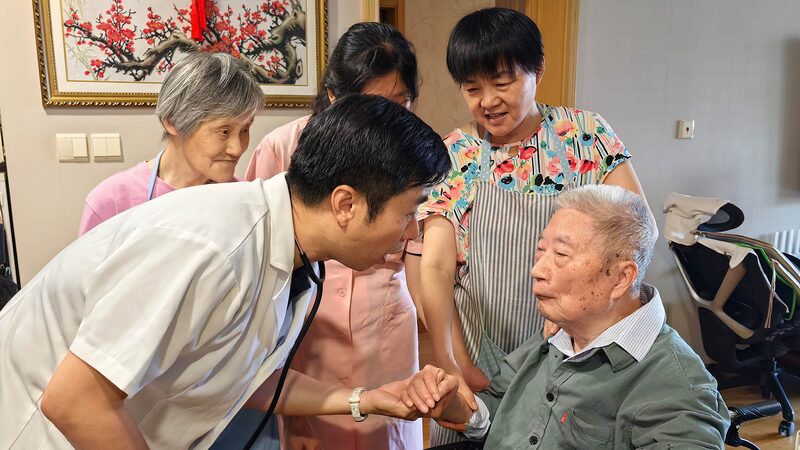
'We used to hear, "He'll outgrow it," but autism isn't childhood influenza,' explains Dr. Lin Wei, a Beijing-based neurodevelopmental specialist. 'Today, we're seeing vocational training centers, assisted living programs, and employer partnerships emerge across major cities.'
Shuwei's mother describes their reality: 'His piano skills could fill concert halls, but crowded spaces overwhelm him. We've found balance through a local arts cooperative that accommodates his needs.' Such community initiatives, combined with new government subsidies for adult disability care announced this year, are reshaping life for thousands of families.
Yet challenges persist. Only 15% of autistic adults in the Chinese mainland hold formal employment, according to 2026 Ministry of Civil Affairs data. Advocacy groups are pushing for inclusive workplace policies and better access to mental health services.
As sunset paints their apartment golden, Shuwei plays a complex étude flawlessly. 'His music speaks what words can't,' his mother smiles. 'Our stars might shine differently, but they deserve constellations of support.'