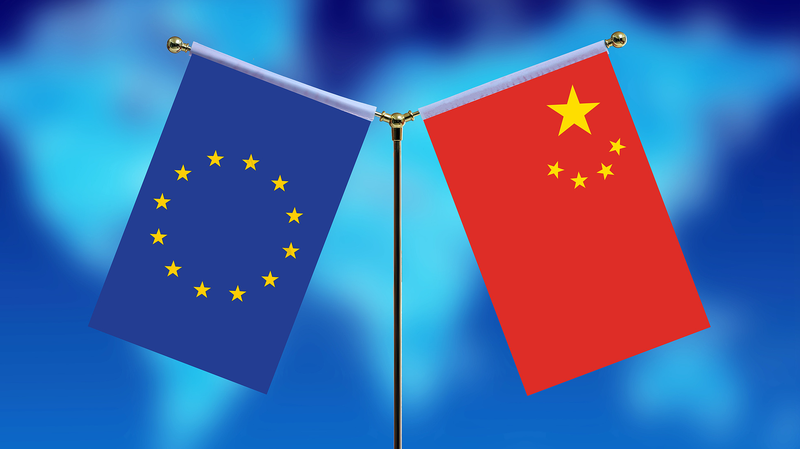
Chinese Foreign Minister Wang Yi emphasized on Thursday that an immediate ceasefire represents the international community's strongest consensus for resolving Middle East tensions and ensuring safe navigation through the strategic Strait of Hormuz. The remarks came during a high-level phone discussion with EU foreign policy chief Kaja Kallas, as regional conflicts continue to threaten vital maritime trade routes.
Diplomatic Push for Peace
Wang, a member of the Political Bureau of the Communist Party of China Central Committee, outlined Beijing's five-point peace initiative developed with Pakistan in March 2026. The proposal calls for urgent cessation of hostilities, protection of civilian infrastructure, and reinforced UN-led conflict resolution mechanisms. Kallas acknowledged China's proactive diplomacy, stating: "The EU supports all efforts to de-escalate tensions through dialogue."
Economic Security Concerns
With 20% of global oil shipments passing through the Strait of Hormuz, both leaders stressed the imperative to keep waterways open. The EU representative confirmed support for UN humanitarian operations while maintaining neutral status in current conflicts. Wang warned against unilateral military actions, asserting that "Security Council resolutions must not legitimize unauthorized operations."
China-EU Strategic Alignment
The dialogue concluded with mutual commitments to strengthen cooperation. Wang highlighted China's role as a development partner rather than a systemic rival to Europe, stating: "Decoupling means disconnecting from opportunities." Kallas reaffirmed the EU's position, noting: "We view China as an indispensable partner in addressing global challenges."