Researchers in China have pioneered a groundbreaking method to produce essential industrial materials with significantly reduced energy consumption, marking a leap forward in sustainable manufacturing. The innovation, published in Nature this week, addresses one of the chemical industry’s most energy-intensive processes while aligning with global decarbonization goals.
Revolutionizing Light Olefin Production
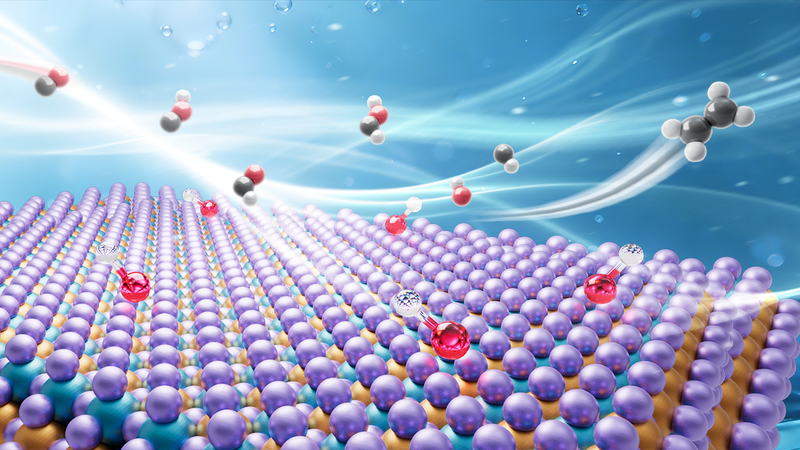
Light olefins—critical components for plastics and synthetic fibers—are traditionally made via Fischer–Tropsch synthesis, requiring temperatures above 300°C and high-pressure conditions. The new catalytic strategy developed by scientists at the Dalian Institute of Chemical Physics slashes operational demands, achieving 80% carbon monoxide conversion at just 250–260°C and near-ambient pressure.
Implications for Coal-Reliant Economies
With coal accounting for 51.4% of China’s energy consumption last year, this breakthrough offers a cleaner pathway to leverage abundant coal reserves. The hydroxyl-induced cobalt oxide catalyst not only reduces energy costs by 60% but also positions China’s chemical sector to meet stringent carbon neutrality targets without sacrificing industrial output.
A Global Sustainability Benchmark
As nations worldwide seek greener alternatives to fossil fuel-dependent processes, this advancement underscores Asia’s growing role in climate-forward innovation. Analysts suggest the technology could reshape supply chains for polymers and textiles, sectors pivotal to multiple Asian economies.