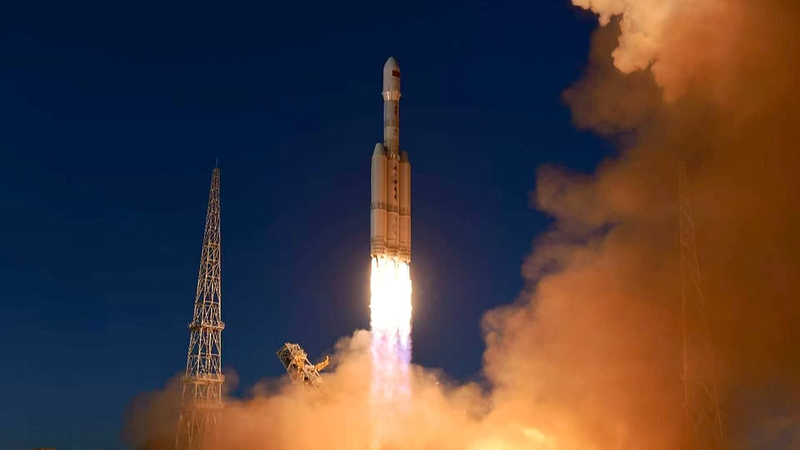
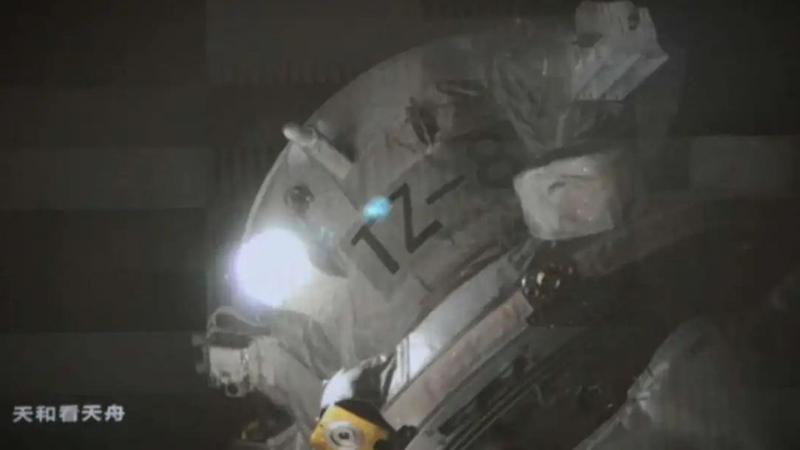
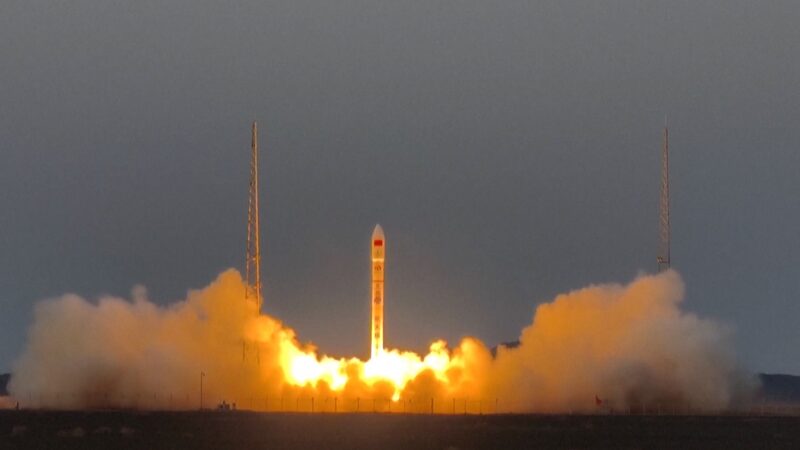
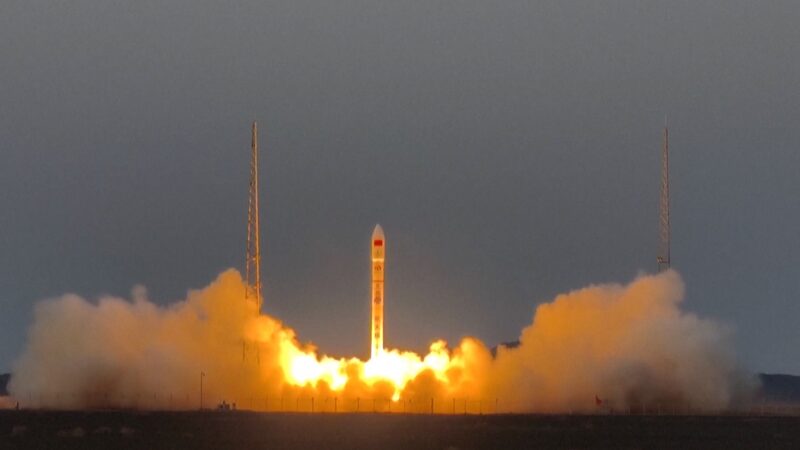
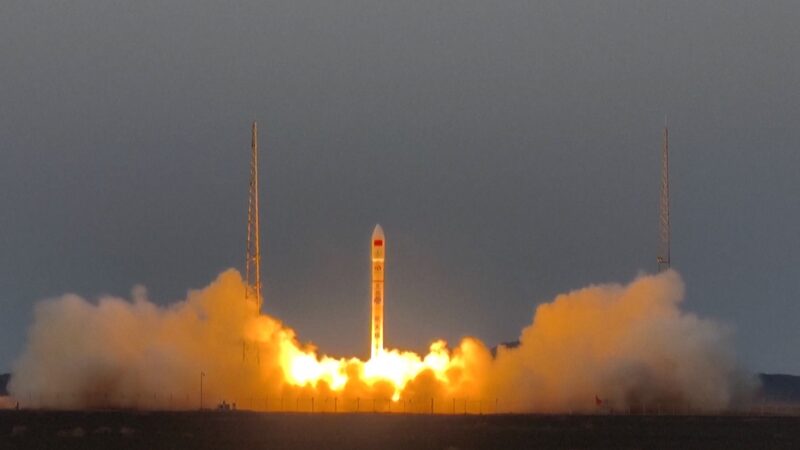
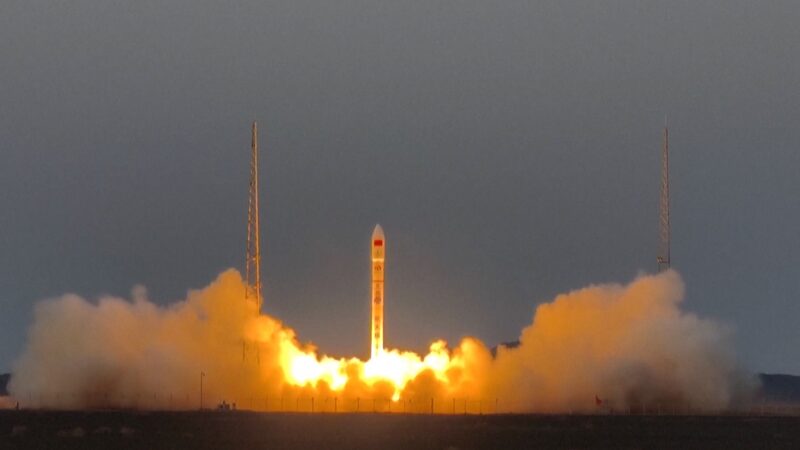
China's space program reached a new milestone this week with the successful launch of the Qingzhou cargo spacecraft test vehicle, a critical step toward enhancing resupply capabilities for the Chinese space station. The prototype, launched earlier this week aboard the Lijian-2 Y1 rocket from a commercial aerospace zone in northwest China, entered its planned orbit flawlessly.
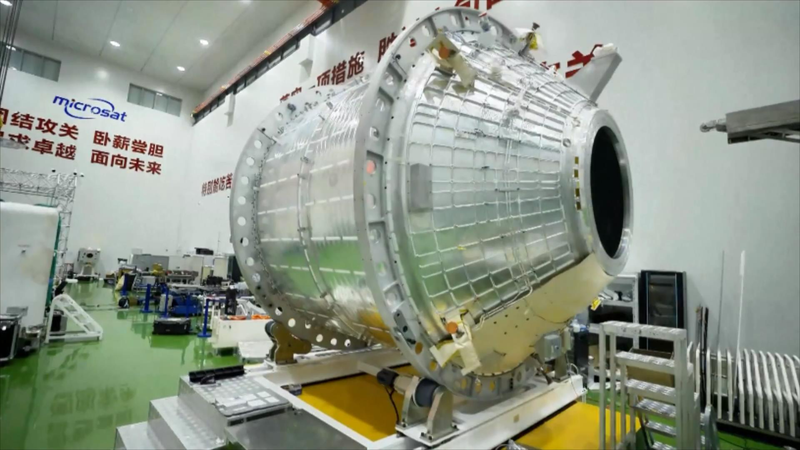
Developed by the Innovation Academy for Microsatellites (IAMCAS), the 4.2-tonne spacecraft features multi-rocket compatibility and carries 27 experimental projects ranging from orbital verification to scientific research. Its modular design includes a 27-cubic-meter sealed cabin with 40 cargo compartments for astronaut supplies and research equipment, plus an innovative 300-liter refrigeration system for biological samples requiring低温 preservation.
The unsealed rear section allows transport of space-exposed payloads, maximizing mission efficiency. This test precedes the final operational version that will dock with China's space station, marking significant progress in the country's ambitions for sustained orbital presence.