China's ambitious push into neurotechnology reached a new milestone this month as brain-computer interface (BCI) systems transition from laboratory research to real-world medical applications. The development follows the technology's formal inclusion in the 2026 government work report, signaling national prioritization of this cutting-edge field.
At Chongqing Medical University's Second Affiliated Hospital, early clinical trials are demonstrating promising results. A recent session on March 26 featured a stroke rehabilitation patient identified as Mr. Wang, who successfully moved paralyzed limbs through a BCI system combining neural signal processing with wearable robotics.
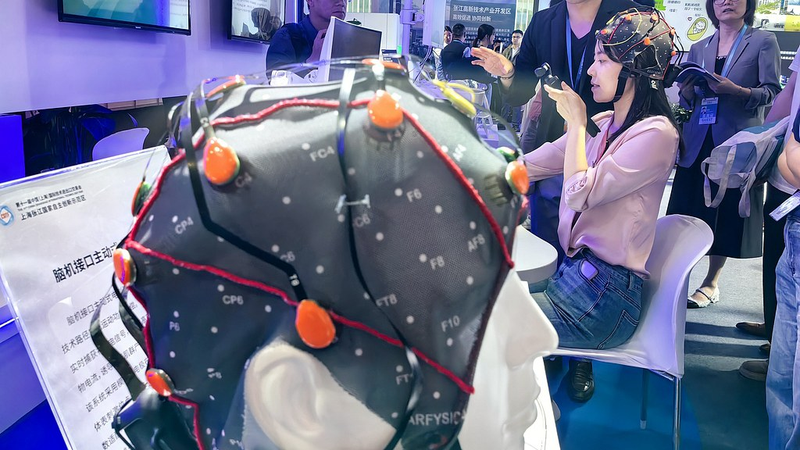
Medical teams report the non-invasive system interprets brainwave patterns through a sensor-equipped headset, translating neural commands into mechanical motion via limb-worn actuators. This breakthrough could revolutionize rehabilitation for neurological conditions while maintaining strict patient safety protocols.
The Chongqing trials form part of China's broader strategy to establish leadership in next-generation healthcare technologies. Analysts note increased collaboration between academic institutions, tech firms, and medical centers across the country's western development zones.
While still in experimental stages, these advancements position China at the forefront of global BCI research. International observers will closely monitor progress as the technology moves through phased clinical evaluations expected to continue through late 2027.