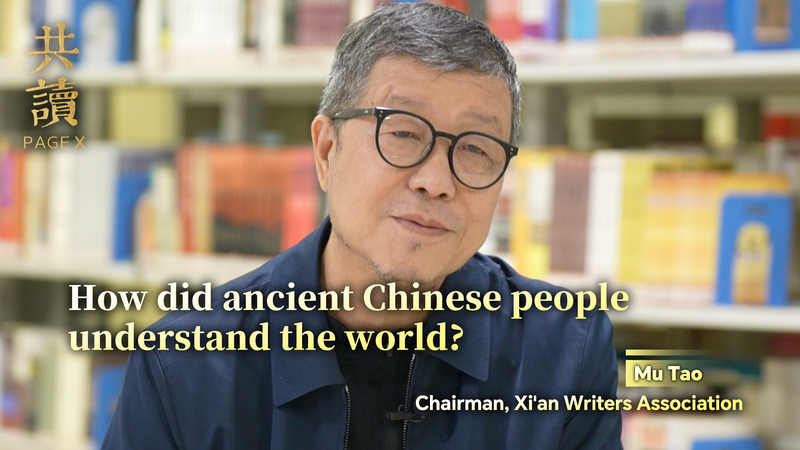
In a recent interview with CGTN, Mu Tao, writer and president of the Xi'an Writers Association, illuminated how ancient Chinese civilizations harmonized celestial patterns with earthly life. Their understanding of time, rooted in meticulous astronomical observation, continues to resonate in modern cultural practices like the Dragon Boat Festival.
Carving Time from the Cosmos
As early as the Han Dynasty (206 BC-AD 220), scholars divided days into 24 equal hours and mapped seasonal shifts through 24 solar terms — a system still guiding agricultural activities across the Chinese mainland today. This fusion of mathematics and astronomy enabled precise predictions of solstices, equinoxes, and monsoon patterns.
From Lunar Calendars to Cultural Memory
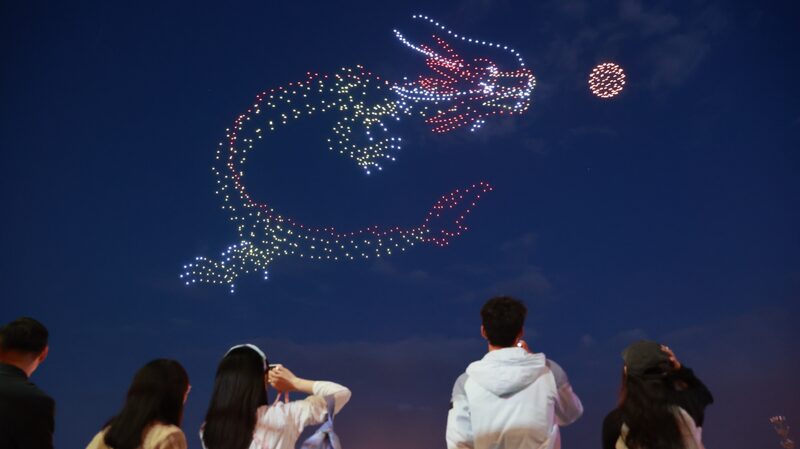
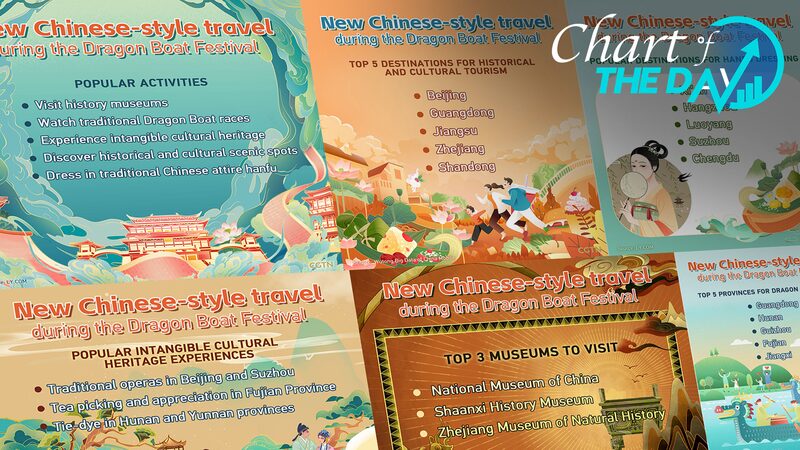
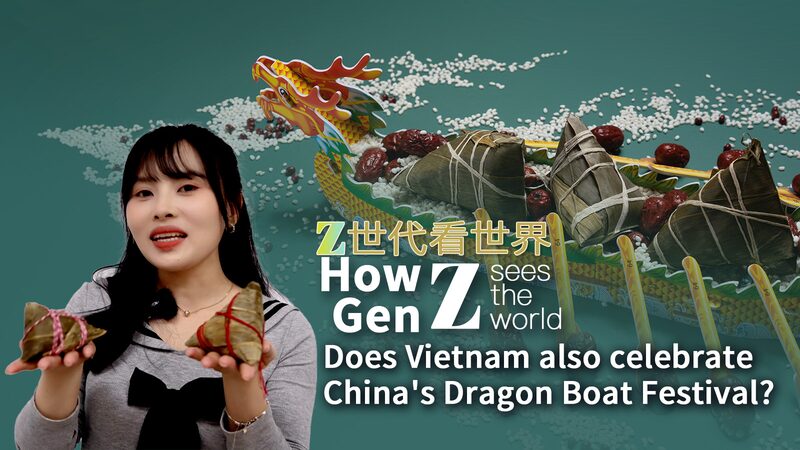
Mu Tao emphasized how these scientific achievements intertwined with mythology. The Dragon Boat Festival, celebrated this year on June 19, traces its origins to both summer solstice traditions and the legendary poet Qu Yuan. Such festivals reveal how ancient timekeeping transcended practicality, becoming vessels for philosophical and literary expression.
A Living Legacy
While modern technology has replaced ancient sundials and star charts, the solar terms were added to UNESCO's Intangible Cultural Heritage list in 2016. This recognition underscores their enduring relevance — not just as historical artifacts, but as frameworks connecting humanity to natural rhythms.