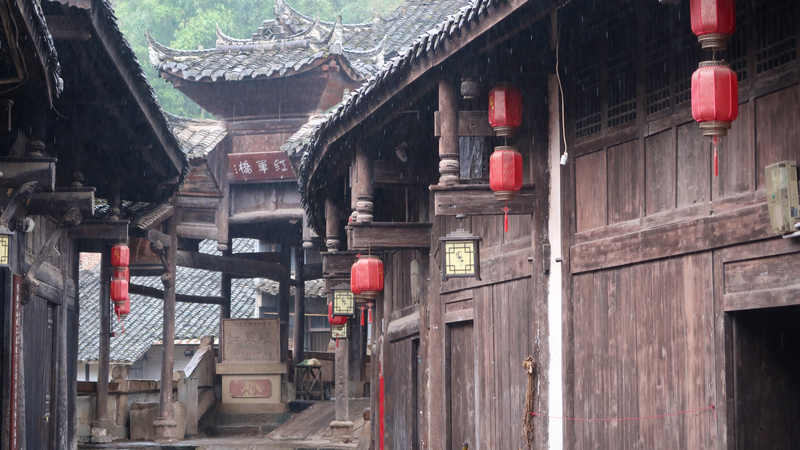
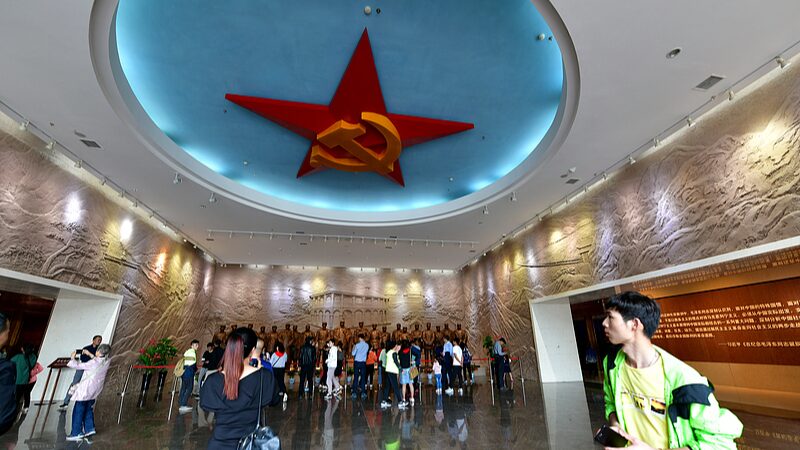
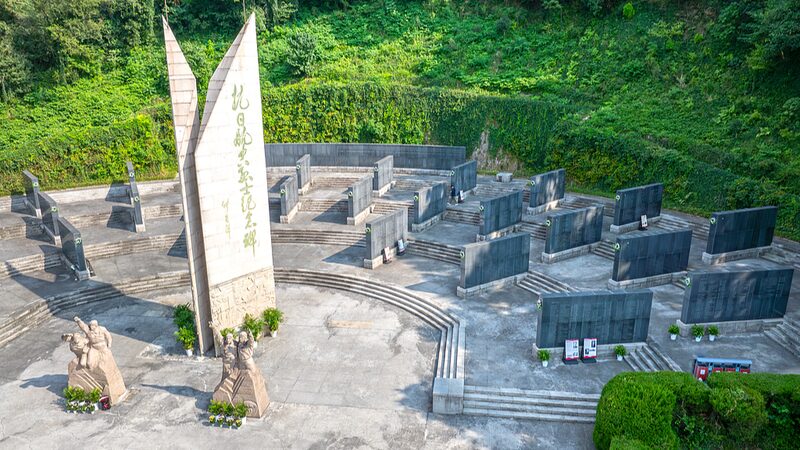
Nestled in Sichuan Province's Jiangyou City, Qinglinkou Ancient Town stands as a living monument to one of modern China's defining chapters – the Long March. This year marks 91 years since the Fourth Front Army of the Chinese Red Army established temporary headquarters here during their 1935 strategic retreat, leaving an indelible revolutionary imprint.
Stone Carvings Tell Revolutionary Story
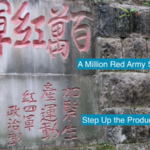
During their three-month stay, soldiers transformed the town into a political education hub. They established a local soviet government and etched enduring messages into the landscape. The 12-meter slogan "The Red Army is the savior of the Chinese nation and the working people" remains China's largest preserved revolutionary mural, its crimson characters still vivid against weathered stone.
Heroism Cast in Bridge Renaming
The army's departure in July 1935 bore witness to extraordinary sacrifice. A wounded female soldier surnamed Liu stayed behind to cover her comrades' retreat, ultimately captured and executed on Heyi Bridge. Local residents later renamed the crossing "Red Army Bridge" – a testament to grassroots commemoration that persists through annual memorial ceremonies.
Preserving Living History
Today, Qinglinkou's cobbled streets form an open-air museum. "These artifacts aren't relics behind glass – they're part of our daily landscape," explains town historian Wang Lei. Recent preservation efforts focus on digitizing fragile murals while maintaining original revolutionary sites, offering visitors tangible connections to this pivotal era in Chinese revolutionary history.