Diplomatic Efforts Intensify as Global Economy Feels Shockwaves
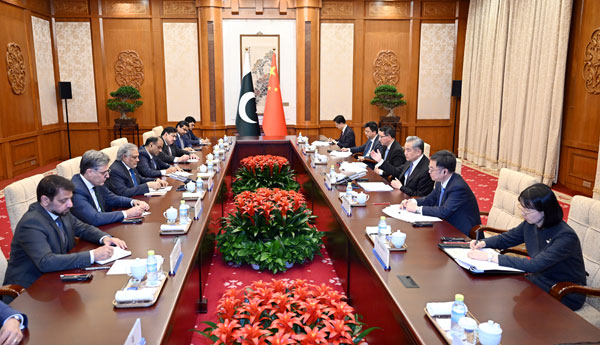
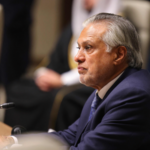
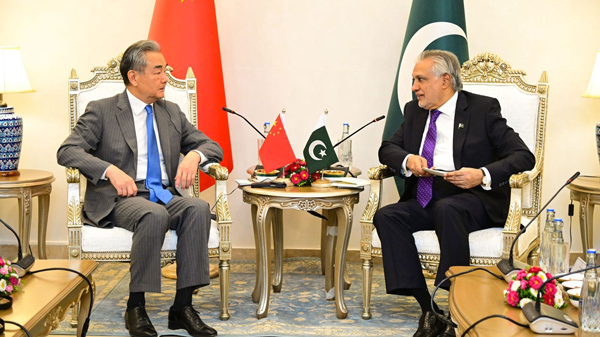
As the US-Israel offensive against Iran enters its second month, the conflict has triggered unprecedented disruptions to global energy markets and supply chains. With oil prices surging 60% in March 2026 and critical maritime chokepoints like the Strait of Hormuz under threat, China and Pakistan have emerged as key mediators through a five-point peace initiative announced during Foreign Minister Ishaq Dar's visit to Beijing.
A Framework for De-escalation
The joint proposal calls for an immediate ceasefire, protection of civilian infrastructure, and adherence to UN principles. Chinese Foreign Minister Wang Yi praised Pakistan's role as a 'trusted interlocutor,' particularly given its strategic position as Iran's nuclear-armed neighbor. This collaboration builds on recent quadrilateral talks in Islamabad involving Saudi Arabia, Egypt, and Türkiye.
Economic Fallout Accelerates Mediation
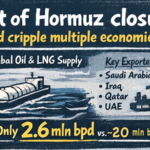
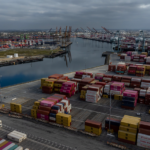
The closure of key shipping routes could remove 14 million barrels of daily oil exports, with Brent crude nearing $120/barrel. Analysts warn that prolonged disruption might add 10-14 days to Asia-Europe shipping times via Africa's Cape of Good Hope. 'This crisis threatens to derail post-pandemic recovery,' noted a World Bank representative speaking to Dawn.
Road Ahead: Cautious Optimism
While Pakistani officials downplay immediate breakthroughs, indirect US-Iran talks mediated through Islamabad show early signs of progress. Prime Minister Shehbaz Sharif has proposed hosting direct negotiations, a move supported by regional partners. As Xinhua reports, success hinges on translating the Beijing agreement into actionable confidence-building measures between Washington and Tehran.