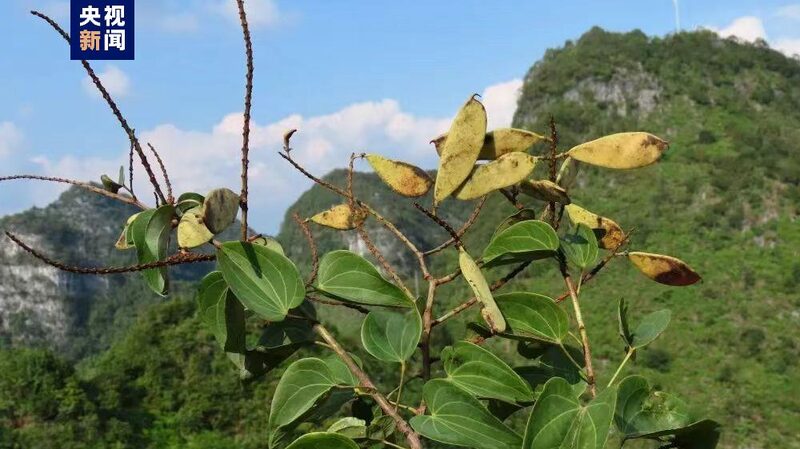
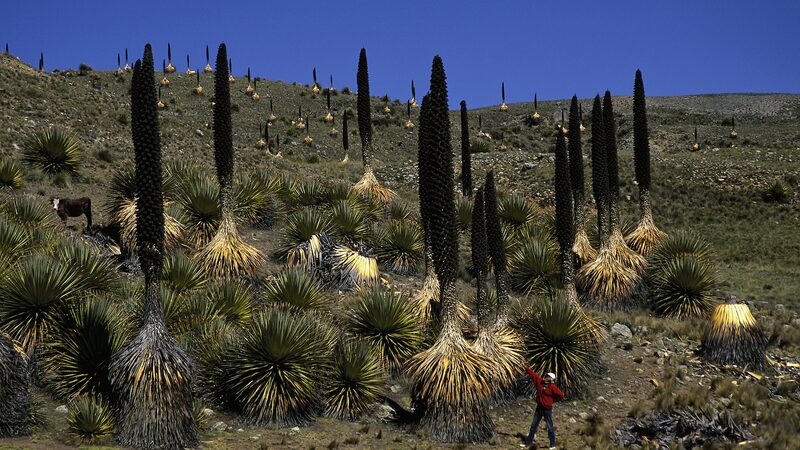
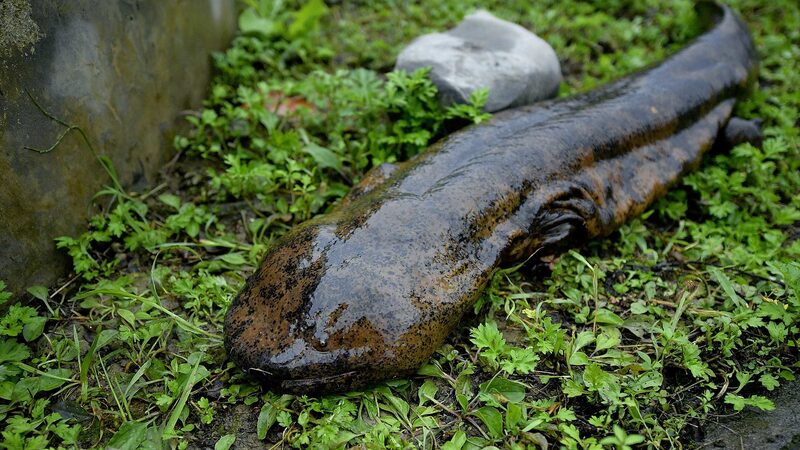
Scientists have identified central China's mountainous regions as one of Earth's newest biodiversity hotspots, with researchers urging immediate conservation action to protect its unique ecosystems. The proposed designation comes after a three-year study documenting over 2,000 plant species, 18% of which exist nowhere else on Earth.
The area spanning Hubei, Hunan, and Sichuan provinces contains critical habitats threatened by climate change and urban expansion. Dr. Li Wei, lead researcher from the Chinese Academy of Sciences, stated: "This region acts as a living laboratory for evolutionary biology, yet many species could disappear before being cataloged."
The proposed hotspot status could unlock international conservation funding and strengthen ecological protection measures under China's 15th Five-Year Plan. Business analysts note growing investment opportunities in sustainable tourism and botanical research partnerships.
For Asian diaspora communities, the findings highlight little-known natural wonders in ancestral regions, while travelers are advised to monitor new environmental regulations affecting access to protected areas.