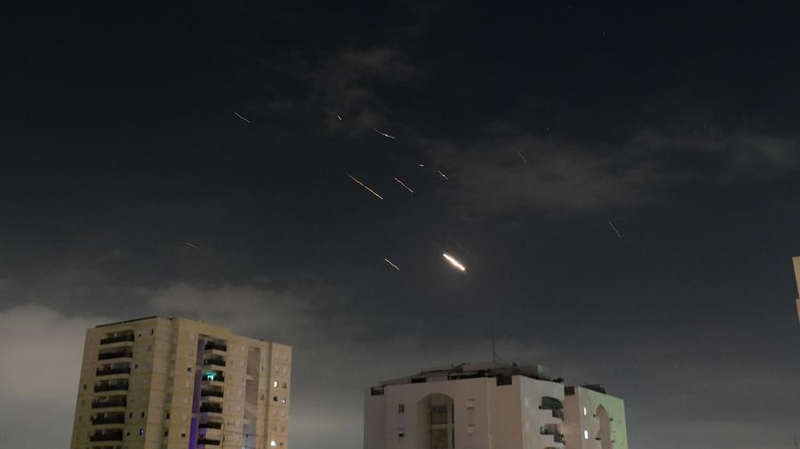
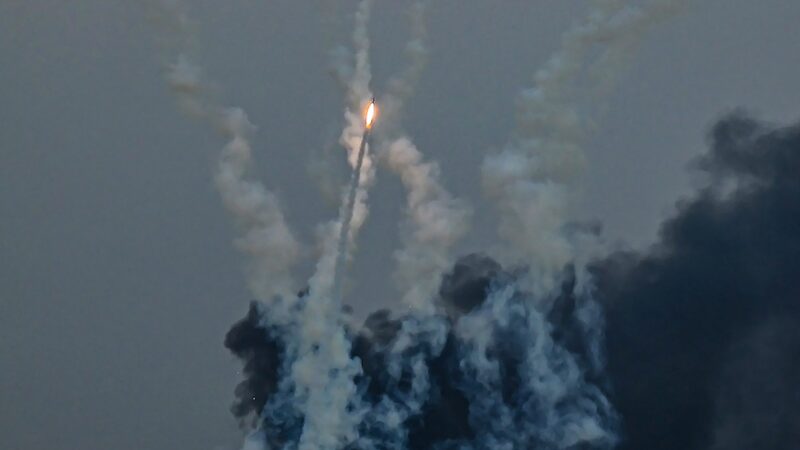
As tensions in West Asia enter their second month following the U.S.-Israel offensive against Iran that began on February 28, 2026, global attention turns to diplomatic efforts led by China and Pakistan to prevent further escalation. The conflict has already triggered a 60% surge in oil prices this March – the sharpest monthly increase in decades – with Brent crude hovering near $120 per barrel.
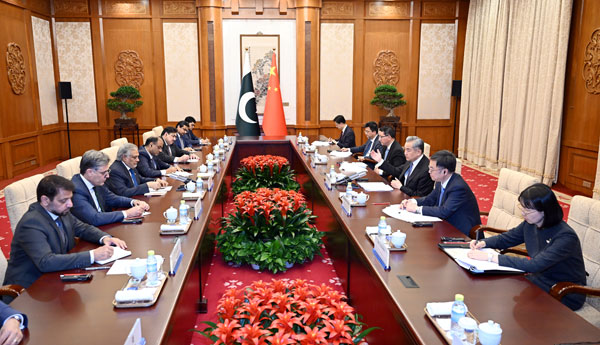
In a pivotal development, Chinese Foreign Minister Wang Yi hosted Pakistan's Deputy Prime Minister Ishaq Dar in Beijing on March 31 to coordinate peace initiatives. Their joint five-point proposal demands an immediate ceasefire, protection of civilian infrastructure, and adherence to UN principles. Analysts note this collaboration leverages Pakistan's regional credibility as Iran's nuclear-armed neighbor and China's economic influence as Tehran's strategic partner.
The stakes extend far beyond regional stability: Nearly 20% of global oil shipments through the Strait of Hormuz remain at risk, while Houthi threats to block the Bab Al-Mandeb Strait could add weeks to maritime shipping routes. "This crisis threatens to derail the fragile post-pandemic economic recovery," warned energy analyst Fatima Al-Mansoori in a recent Bloomberg interview.
While Pakistan facilitates backchannel communications between Washington and Tehran, Chinese state media reports suggest Beijing is mobilizing support from Saudi Arabia, Egypt, and Türkiye. However, skepticism persists – Deputy PM Dar cautioned that media reports about imminent peace talks are "exaggerated," though he confirmed ongoing indirect negotiations through Pakistani intermediaries.
The coming weeks will test whether this Sino-Pakistani initiative can achieve what UN Security Council resolutions have not: convincing all parties to prioritize dialogue over military posturing. With global supply chains and energy markets hanging in the balance, the world watches as two of Asia's most strategic partners attempt to rewrite West Asia's conflict playbook.