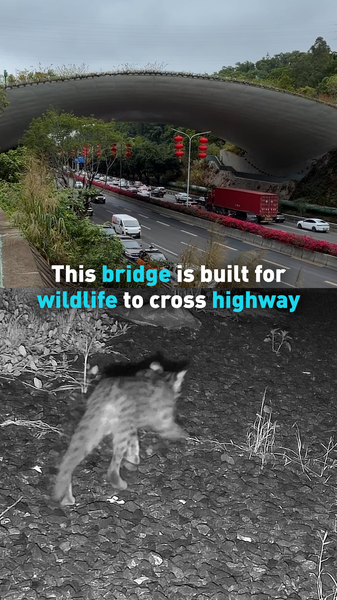
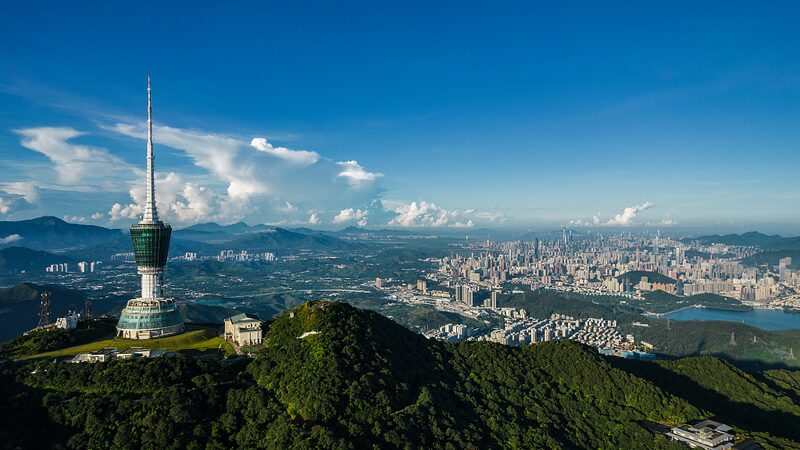
In the heart of Shenzhen, where skyscrapers dominate the skyline, an unexpected structure is making waves: the Kunpeng Trail No. 1 Bridge. Completed in 2023, this 300-meter aerial pathway has become a lifeline for wildlife in one of the world's most densely populated urban areas.
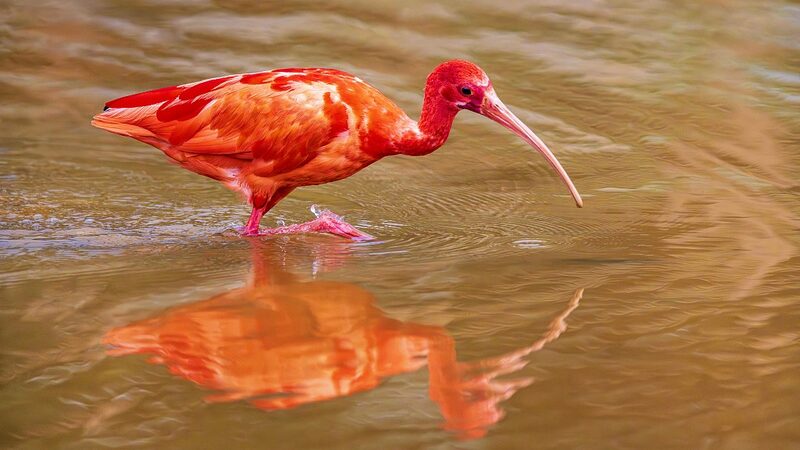
The bridge reconnects the Meilin and Yinhu mountain ecosystems, which were separated for decades by the G94 Pearl River Delta Ring Expressway. More than 90% of its surface area features native vegetation and terrain designed specifically for animals, from palm civets to rare bird species.
A Silent Success Story
"This isn't just concrete over asphalt – it's a living ecosystem," explains Eden Soto Alva, an environmental researcher documenting the project. "Camera traps have recorded over 2,300 safe animal crossings since its opening, including seven protected species."
The structure's design incorporates noise-reduction walls and light-blocking features to minimize human disturbance. Maintenance crews use AI-powered monitoring systems to study usage patterns without physical intrusion.
Blueprint for Urban Sustainability
As Shenzhen continues its rapid development – the city's GDP grew 6.2% in 2025 – the bridge represents a new paradigm in urban planning. Similar projects are now under consideration in Chengdu and Hangzhou, according to China's Ministry of Ecology and Environment.
For business leaders and policymakers attending this year's APEC Leaders’ Meeting, the bridge serves as a tangible example of balancing economic growth with ecological preservation in Asia's megacities.