As global cities navigate economic turbulence and climate challenges, the 2026 World Cities Culture Report reveals a paradigm shift in urban development strategies. Chinese metropolises are pioneering this transformation, embedding cultural infrastructure as foundational elements of city planning rather than decorative afterthoughts.
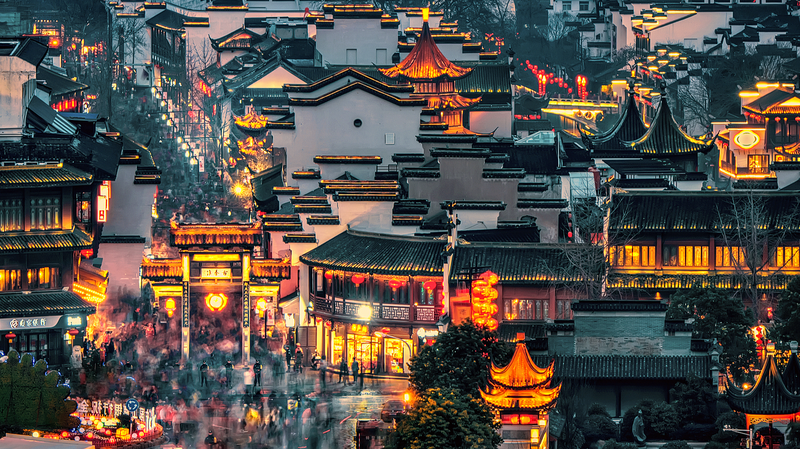
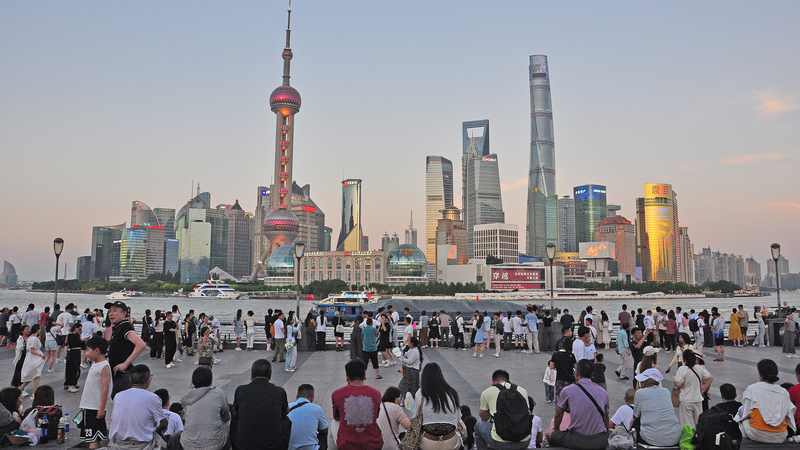
Shanghai's Huangpu River arts corridor and Chengdu's Tianfu Ancient Town revitalization exemplify this approach, blending heritage preservation with cutting-edge innovation zones. These projects contributed to China's cultural sector generating $1.2 trillion in economic value last year, according to Ministry of Culture statistics.
"We're seeing culture drive tangible outcomes," explains Beijing Cultural Development Office Director Li Wei. "The 798 Art District alone attracted 12 million visitors in 2025, creating 8,000 local jobs while serving as a testbed for AI-powered museum experiences."
This cultural pivot comes as Asian cities dominate the report's resilience rankings. Five Chinese cities rank in the top 10 for cultural investment per capita, with Shenzhen allocating 4.3% of its 2026 municipal budget to creative infrastructure – triple 2021 levels.
Urban planners highlight the strategic timing of these investments. As global tourism rebounds to pre-pandemic levels, China's cultural landmarks are driving a 27% year-on-year increase in international visitors through Q1 2026, according to National Tourism Administration data.