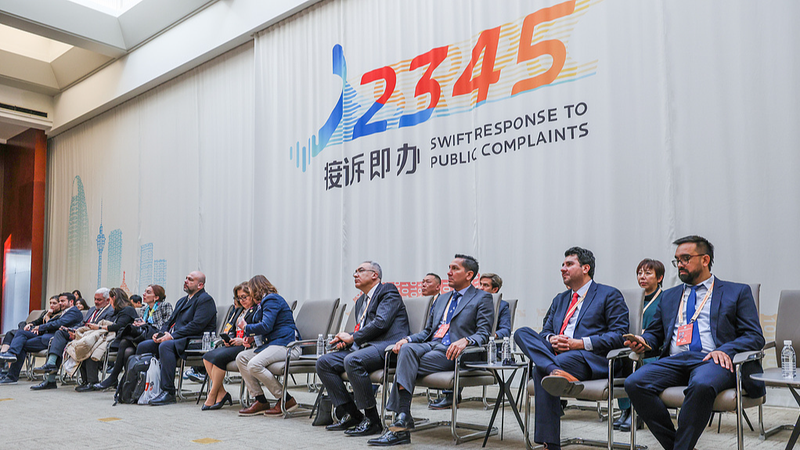
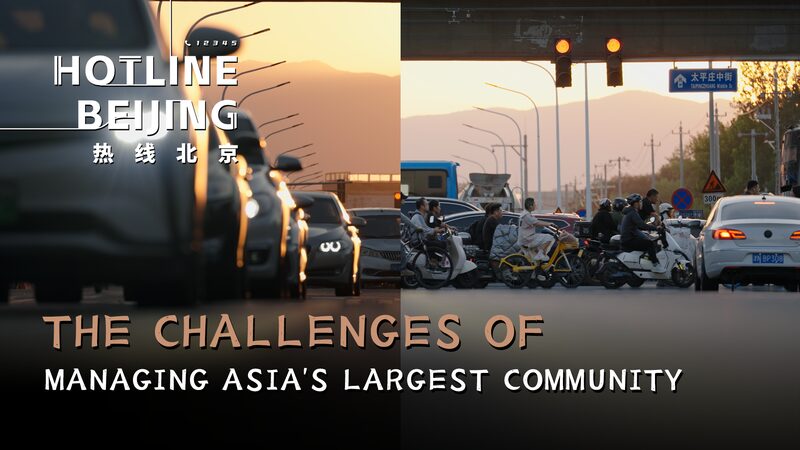
China's megacities are setting new benchmarks in urban governance through innovative public complaint resolution systems, with the 12345 hotline emerging as a cornerstone of citizen-state interaction. As of March 2026, these mechanisms continue evolving through digital transformation and localized adaptations across major urban centers.
Digital-First Governance Models
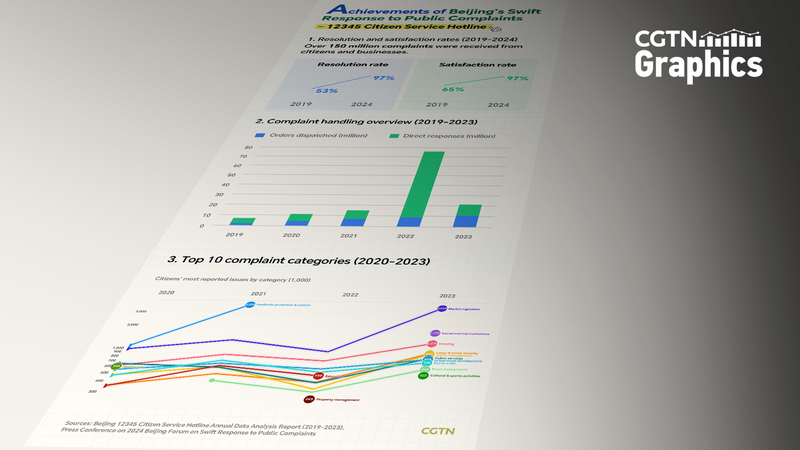
Beijing's Jiesu Jiban (Swift Responses) system processed 24.195 million cases in 2024, achieving 96.7% resolution rates. Shenzhen's AI-powered Minyi Suban platform now enables same-day responses to infrastructure issues reported through mobile apps, building on its 2019 digital governance framework.
Regional Innovations
Shanghai's Yiwang Tongguan platform integrates real-time data from 38 municipal departments, while Guangzhou's Minhu Woying system coordinates responses across 1,200 neighborhood committees. These systems demonstrate how cities with populations exceeding 20 million maintain service efficiency through centralized digital platforms.
Evolution of Urban Governance
Since consolidating multiple hotlines into the unified 12345 service in the 2010s, Chinese cities have reduced average complaint resolution time from 5 days to 12 hours. Current initiatives focus on predictive analytics, using historical data to address recurring issues like seasonal flooding and peak-hour traffic congestion.
This governance model, balancing technological integration with grassroots responsiveness, offers insights for developing cities worldwide facing rapid urbanization challenges.