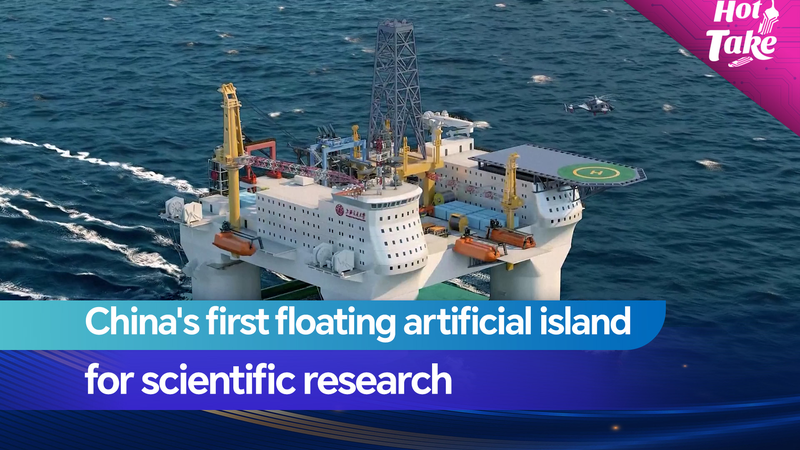
China is advancing its deep-sea research capabilities with a groundbreaking project: a 30-story floating artificial island designed to operate in the most extreme ocean conditions. Developed by Shanghai Jiao Tong University, the mobile platform represents a leap forward in marine science and engineering.
Engineering Marvel for Extreme Conditions
The structure, comparable in displacement to a medium-sized aircraft carrier, can withstand Category 5 typhoons with winds up to 250 km/h. Its unique mobility allows it to function like a ship while maintaining the stability of a permanent research station. A massive central "moon pool" enables deployment of 300-tonne equipment to depths of 6,000 meters – deeper than 98% of the world's oceans.
Scientific Potential
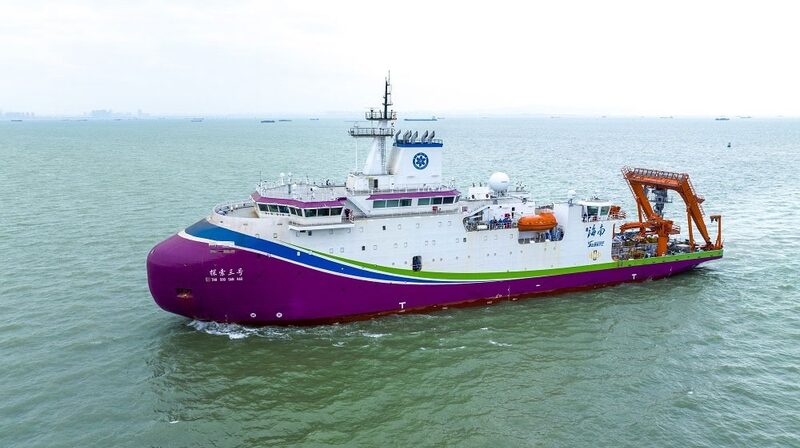
Equipped with cutting-edge instruments, the platform will enable year-round studies of marine ecosystems, deep-sea geology, and climate patterns. Researchers highlight its potential to explore hydrothermal vents and underwater trenches that have remained inaccessible to conventional vessels.
Strategic Timeline
Scheduled for deployment by 2030, this project aligns with China's growing focus on marine resource exploration and environmental monitoring. The platform's developers describe it as a potential "space station at sea" that could host international scientific collaborations.