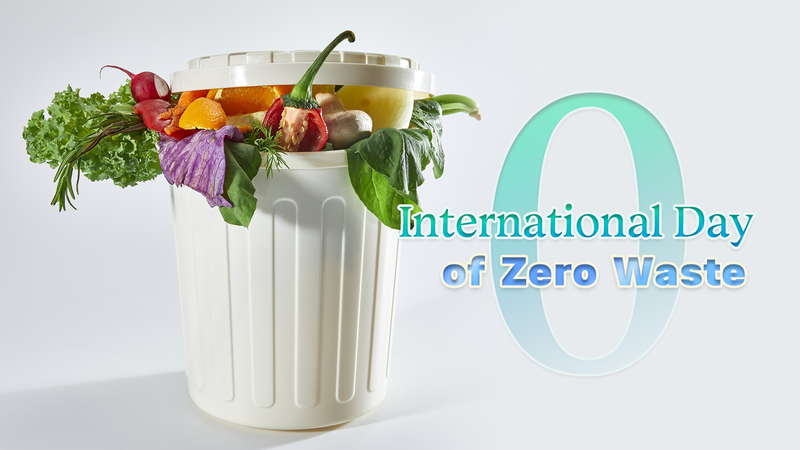
As nations worldwide observe International Day of Zero Waste on March 30, 2026, Asian countries are intensifying efforts to address what the United Nations calls 'one of our generation's greatest paradoxes' – 1 billion tonnes of edible food discarded annually while hunger persists.
New data reveals food waste now accounts for 8-10% of global greenhouse emissions, with Asia's rapidly urbanizing economies contributing significantly to this challenge. 'Every rotten tomato in a Malaysian market and uneaten rice bowl in Mumbai carries both humanitarian and environmental consequences,' explains UN Environment Programme specialist Dr. Mei Chen.
Several Asian initiatives are gaining momentum this year:
Japan's 'Eco-Town' networks redistributing surplus food to 2,300 welfare centers
South Korea's AI-powered smart bins reducing household waste by 27%
India's blockchain system connecting 45,000 farmers directly with food processors
For investors, food recovery technologies present a $700 billion opportunity by 2030 according to recent analyses. 'What was once seen as waste management is now driving innovation in logistics, packaging and agricultural tech,' notes Singapore-based venture capitalist Rajiv Kapoor.
As travelers return to Asia's reopened markets and restaurants, many now participate in 'zero-waste tourism' programs. Bangkok's Michelin-starred Bo.lan restaurant recently pioneered a 'root-to-flower' menu using 98% of each ingredient.