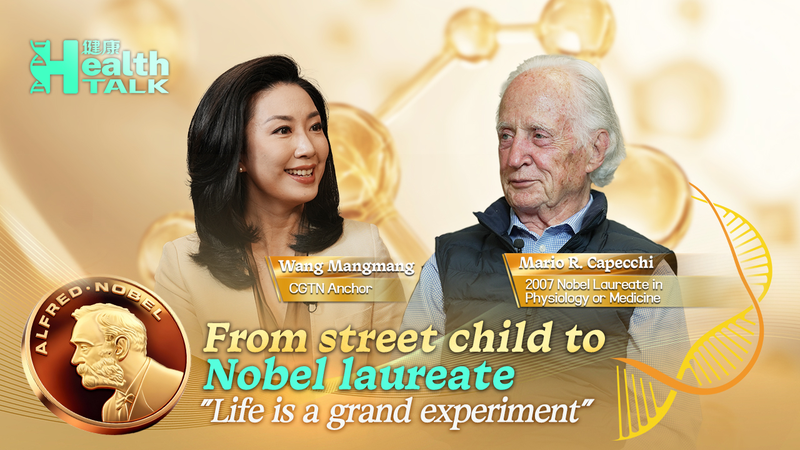
Mario Capecchi’s life reads like a testament to human tenacity. Born in 1937, the Nobel laureate faced unimaginable adversity as a child displaced during World War II, surviving on Italy’s streets by scavenging for food. These early struggles, he later reflected, forged the resilience that would define his scientific career.
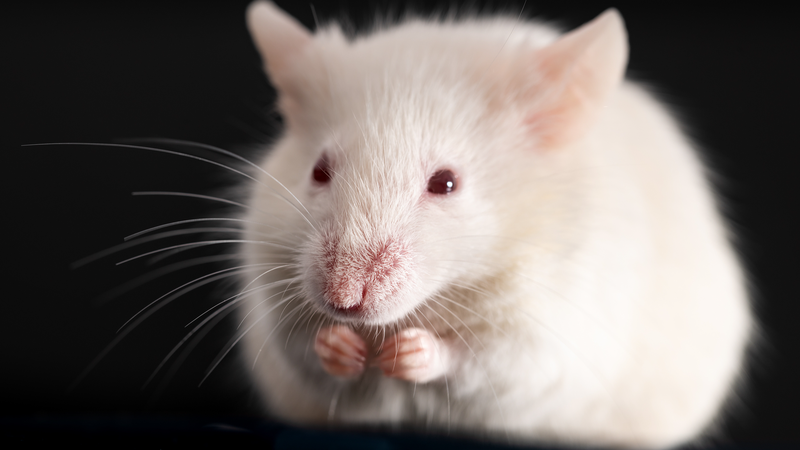
In 2007, nearly six decades after his wartime ordeal, Capecchi shared the Nobel Prize in Physiology or Medicine for pioneering gene-targeting technology. His revolutionary work with knockout mice—genetically modified rodents used to study human diseases—emerged from a rejected NIH proposal critics deemed "impossible." Undeterred, he spent years refining methods that now underpin modern genetics, asking: "What if we could turn genes off to understand their function?"
Capecchi credits his aunt’s adage—"The difficult you do right away; the impossible takes a little longer"—as his guiding principle. Today, researchers worldwide use his techniques to study cancer, diabetes, and neurodegenerative disorders. For investors and academics alike, his story underscores Asia’s growing role in biotech innovation, with gene-editing startups proliferating across the region in 2026.
As global markets eye Asia’s scientific breakthroughs, Capecchi’s journey reminds us that transformative ideas often emerge from unyielding curiosity—and the courage to bet on a question mark.