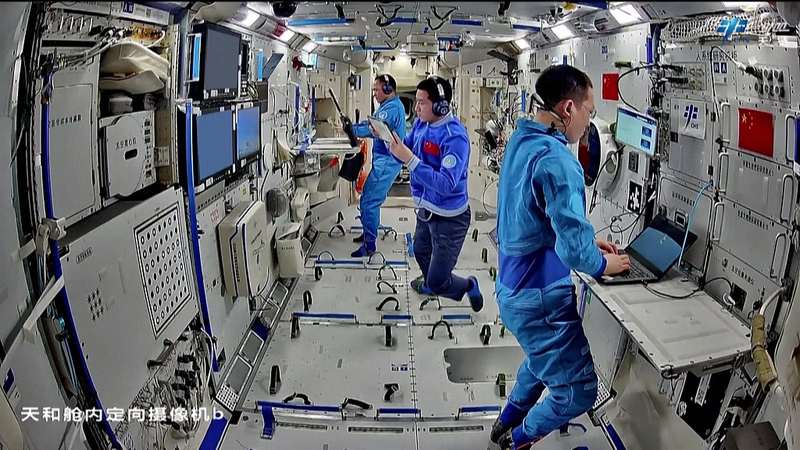
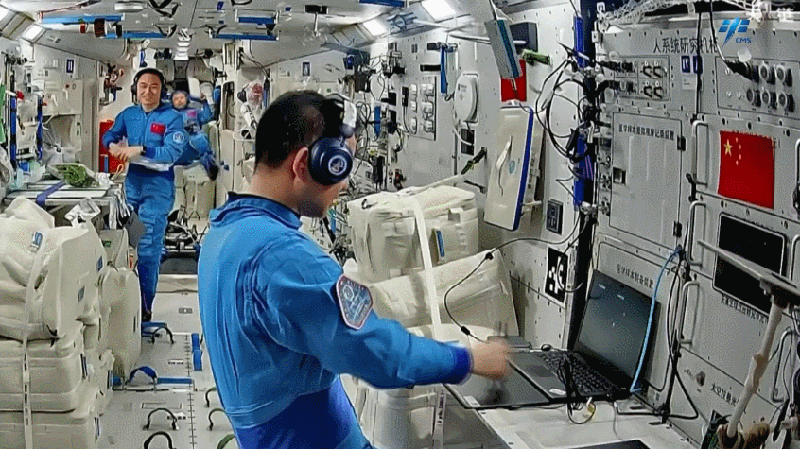
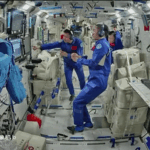
The China Manned Space Agency announced plans this week to launch a pioneering human research program at the Tiangong space station, with proposals set to be accepted starting April 1, 2026. The initiative aims to address critical challenges in human health during extended space missions while advancing medical knowledge for Earth-based applications.
Research Focus Areas The program will analyze biological samples, organoids, and cells to study microgravity's effects on bone density, muscle atrophy, cardiovascular health, metabolism, and aging processes. These findings will inform strategies to protect taikonauts during China's planned 2030 crewed lunar landing and year-long orbital missions aboard Tiangong.
Building Space Medicine Infrastructure A key objective involves creating a comprehensive space human atlas and research database. Since June 2023, 53 of 387 submitted projects have already been tested aboard the space station, demonstrating China's accelerating progress in space medicine.
Connecting Space and Earth Health Researcher Li Yinghui from the China Astronaut Research and Training Center highlighted breakthroughs including the world's first artificial blood vessel tissue chip experiments in microgravity. Such innovations show potential for addressing heart disease, neurodegenerative conditions, and pharmaceutical development on Earth.
With two new Tiangong crews scheduled for 2026 missions, this program underscores China's commitment to establishing itself as a leader in both space exploration and life sciences innovation.