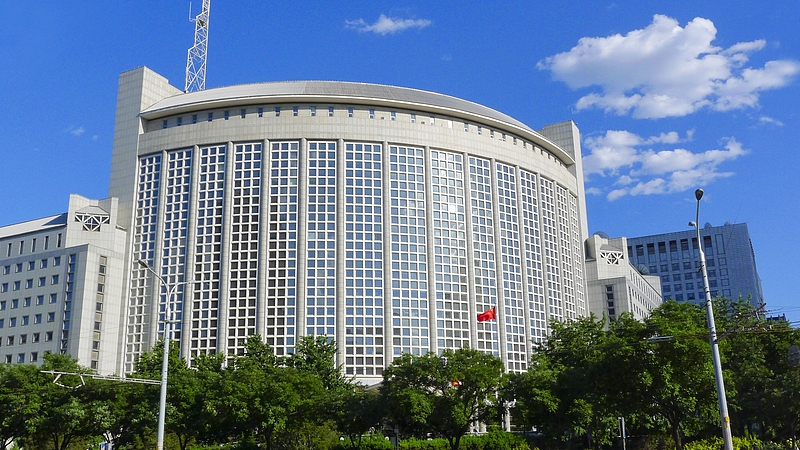
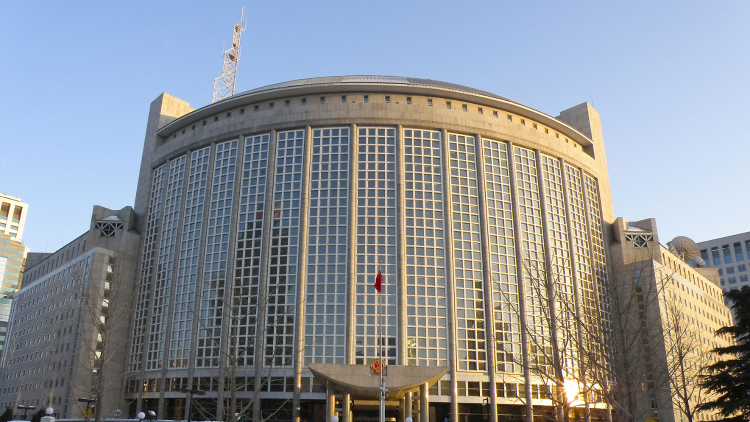
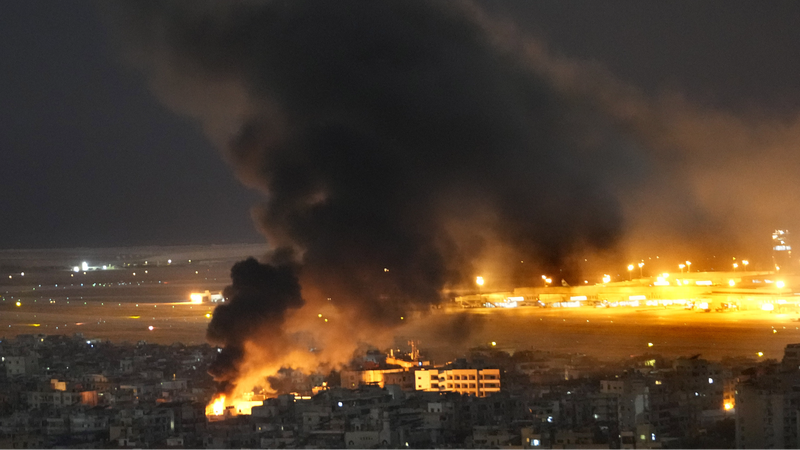
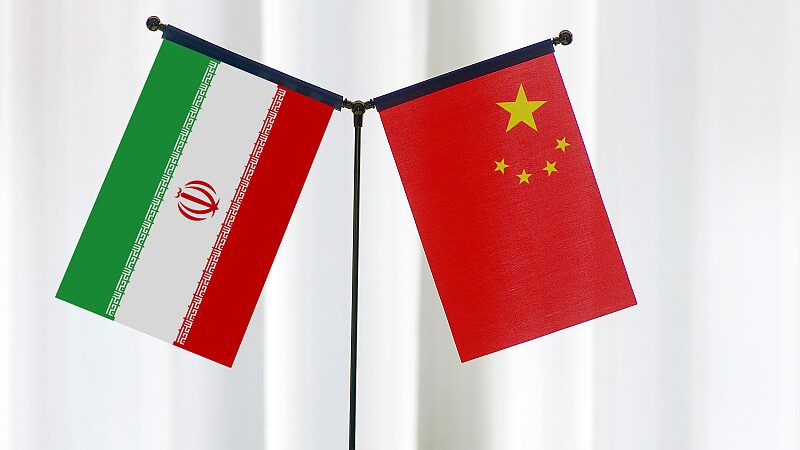
As Middle East tensions between the U.S., Israel, and Iran reach a critical one-month milestone on March 28, China has intensified its diplomatic efforts to stabilize the region. Over the past four weeks, Beijing has deployed a multifaceted strategy—spanning high-level calls, shuttle diplomacy, and direct negotiations—to curb escalation and foster dialogue among adversaries.
Chinese Foreign Minister Wang Yi has spearheaded the initiative, holding 18 phone calls and three in-person meetings with key stakeholders since March 1. His engagements ranged from Iran and Israel to Saudi Arabia, Egypt, and global powers, underscoring China's push for an immediate ceasefire, conflict containment, and renewed multilateral talks.
Building Bridges Amid Division
China's approach emphasizes consensus-building between historically opposed parties. By positioning itself as a neutral mediator, Beijing has urged restraint while advocating for humanitarian aid corridors and long-term regional security frameworks. Analysts note that China's growing economic ties with Gulf states and its role as a top energy importer lend weight to its diplomatic leverage.
While challenges persist, including divergent U.S.-China priorities, Beijing's sustained engagement reflects its ambition to shape stability in a region pivotal to global energy markets. As tensions enter their second month, stakeholders await tangible outcomes from China's peacemaking calculus.