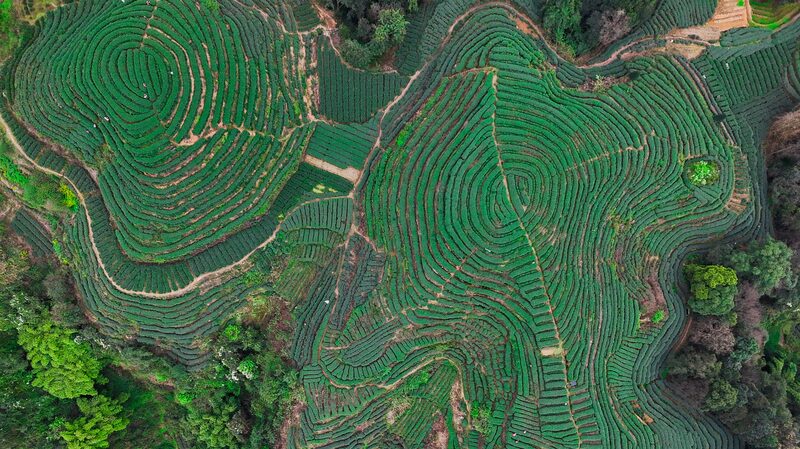
In the misty highlands of Ya'an, Sichuan Province, the arrival of spring brings a vibrant annual ritual: the bustling tea markets that transform the region into a kaleidoscope of commerce and culture. As of March 2026, these markets are currently at their peak activity, with farmers and traders racing against time to capitalize on this year's prized first-flush leaves.
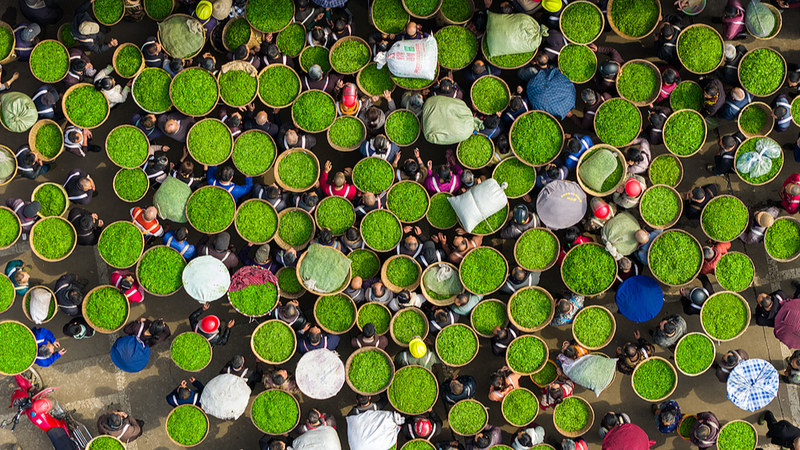
Rows of emerald-green tea leaves fill woven bamboo baskets, carried by generations of growers who navigate crowded market lanes with practiced ease. Buyers from across Asia meticulously inspect the harvest, their negotiations blending with the rustle of tea leaves and the hum of spring commerce. This year's yield is particularly robust, according to local growers, thanks to favorable weather patterns in early 2026.
"March is when our entire year takes shape," says Chen Wei, a third-generation tea farmer. "The energy you see here—it's not just about business. It's about preserving traditions that connect us to the land and to tea lovers worldwide."
The spring tea rush significantly impacts Sichuan's rural economy, with current prices reflecting growing international demand for Ya'an's distinctive malty black teas and delicate green varieties. Market analysts note that 2026's harvest could set new export records, particularly to emerging markets in Southeast Asia and the Middle East.
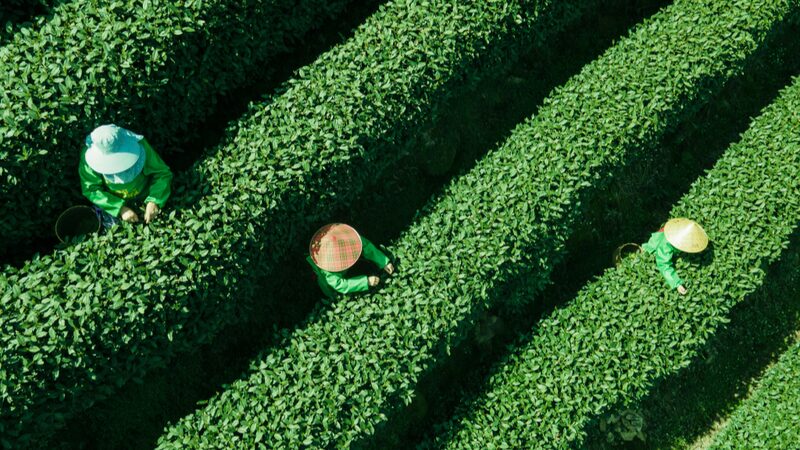
Beyond economics, the seasonal phenomenon offers cultural travelers a unique window into China's ancient tea culture. The markets operate as living museums, where time-honored harvesting techniques meet modern quality standards—a balance that continues to define Asia's evolving agricultural landscape.