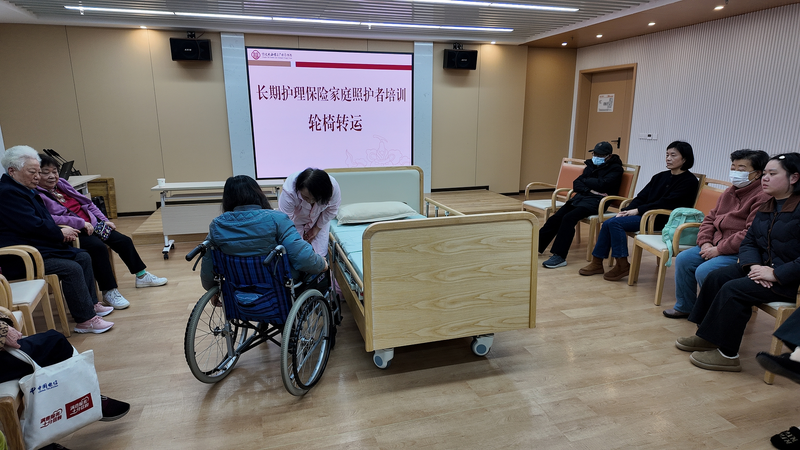
China has launched a groundbreaking national long-term care insurance system to address its rapidly aging population, with full implementation targeted by 2028. The policy, announced on March 26, 2026, establishes a unified framework to support seniors requiring daily assistance due to age-related disabilities or chronic health conditions.
Addressing a Demographic Shift
With 320 million residents aged 60+ and 35 million needing daily care support, the system responds to pressures on single-child families traditionally responsible for elderly care. The government-led initiative transitions successful pilot programs in 49 cities – which already cover 300 million people – to nationwide implementation.
How the Insurance Works
The cost-sharing model requires contributions from:
Employers (0.3% of employee income)
Individuals (0.3% of personal income)
Government subsidies
Benefits cover 50-70% of costs for home care or nursing facilities, prioritizing professional services over cash payments. Coverage extends to those with physical or cognitive impairments affecting basic self-care abilities.
Strategic Implementation
Authorities plan phased integration with existing social security systems while expanding trained caregiver networks. The move aims to reduce family care burdens while creating new healthcare sector opportunities – a critical consideration for investors monitoring China's silver economy development.